Knowledge Center
A professional knowledge library, updated regularly
Short, practical insights in quality, reliability, RAMS, compliance, risk management and process improvement.
 Reliability
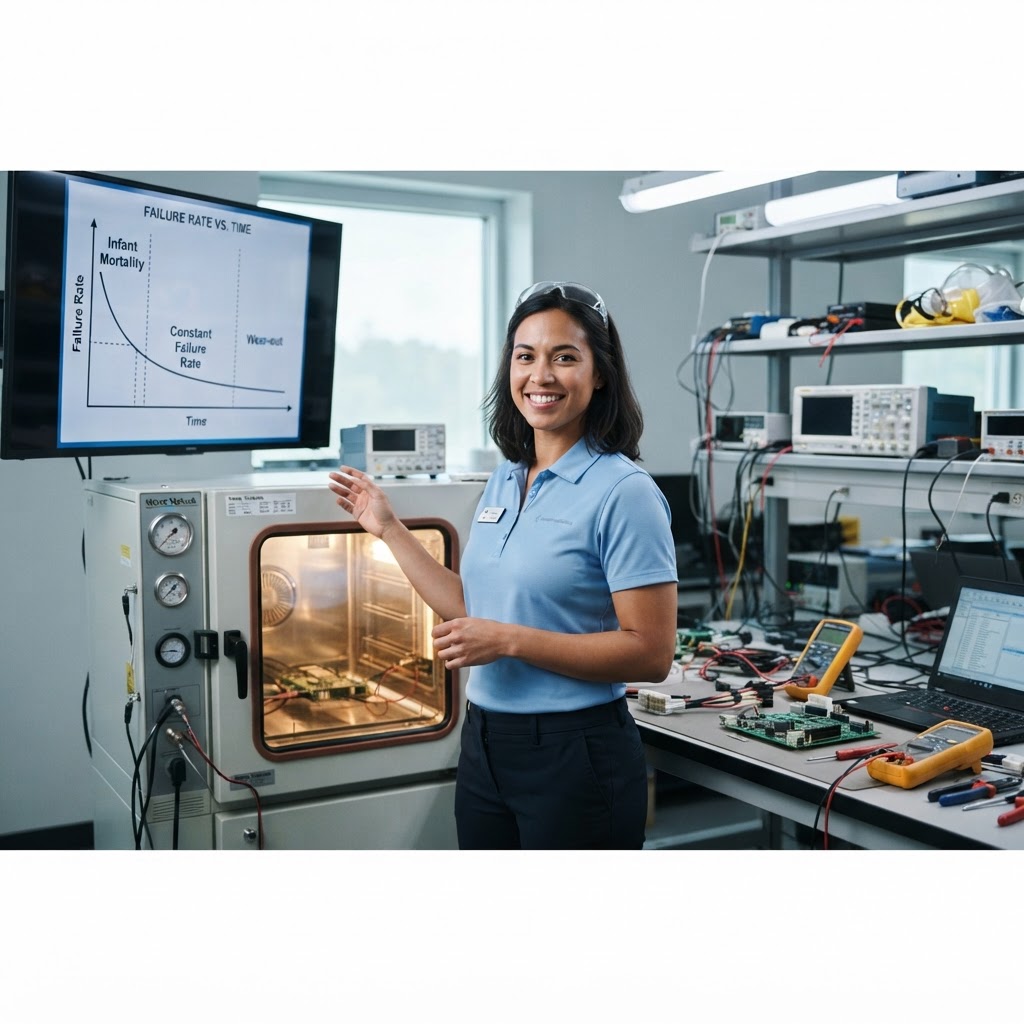
The Bathtub Curve – What It Says About Early, Random and Wear-out Failures
The bathtub curve describes how the failure rate of a product population changes over its life. What each of its three regions means, what to do at each stage, and when this familiar model misleads.
 Reliability
FTA – Fault Tree Analysis: How to Go from Top Event to Root Causes?
FTA begins with the scenario that must not happen and drills down step by step to the basic failures causing it. This is how to build a correct tree, calculate probabilities, and find the system's weak points.
 Reliability
Weibull Analysis – What Does Failure Distribution Tell You About Your Product?
Weibull analysis transforms a list of failure times into an engineering decision: determining whether failures are early-life, random, or wear-out, and when it is best to replace a component before it fails.
 Reliability
MTBF – What Does the Number Really Mean, and What Does It Not?
An MTBF of 50,000 hours does not mean the component will last for 50,000 hours. Learn what this metric represents, when it is valid, and how to use it correctly in design, procurement, and maintenance.
 Quality & Standards
AS13100A – What Does It Mean for Suppliers in the Aero Engine Industry?
AS13100A introduces specialized quality requirements for the aero engine industry. When does it apply, how do these requirements flow down the supply chain, and what is expected of an organization receiving them from a customer?
 Quality & Process Improvement
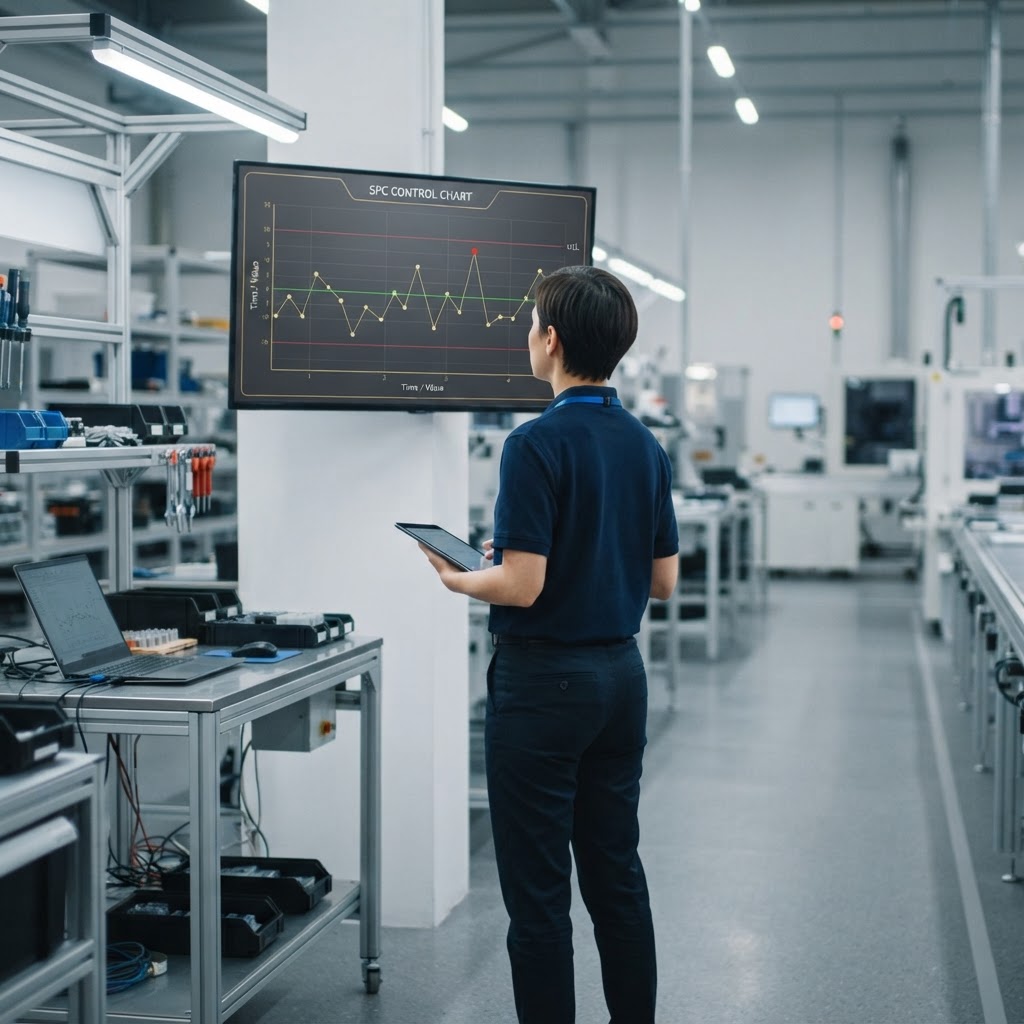
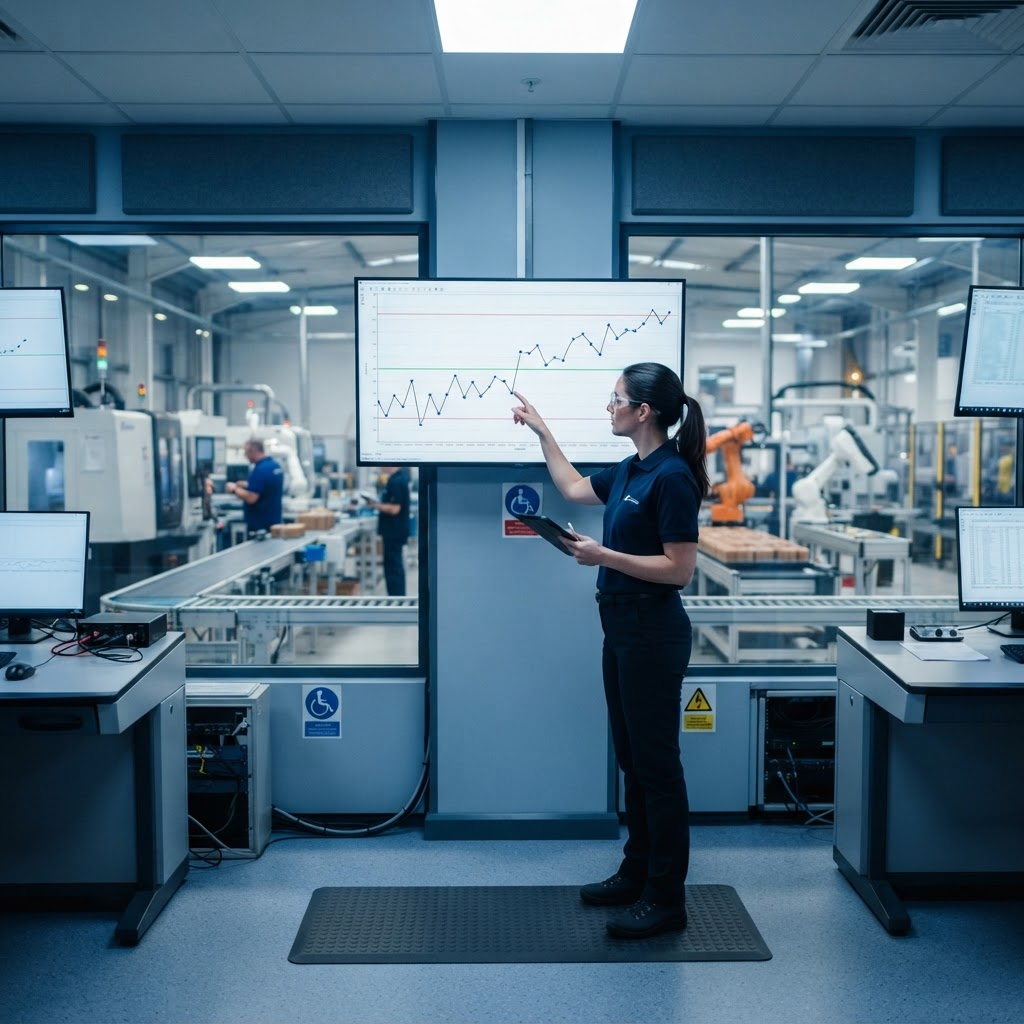
Process Capability Cp and Cpk – Why a Stable Process Doesn't Necessarily Meet Requirements
What is the difference between a stable process and a capable process? Learn about Cp and Cpk, how to interpret them, and why stability should be verified before calculating capability.
 Quality
SPC: How to Know if a Process is Truly Stable?
What is SPC, how do control charts help identify process changes, and what is the difference between control limits and specification limits? A professional guide to Statistical Process Control.
 Quality
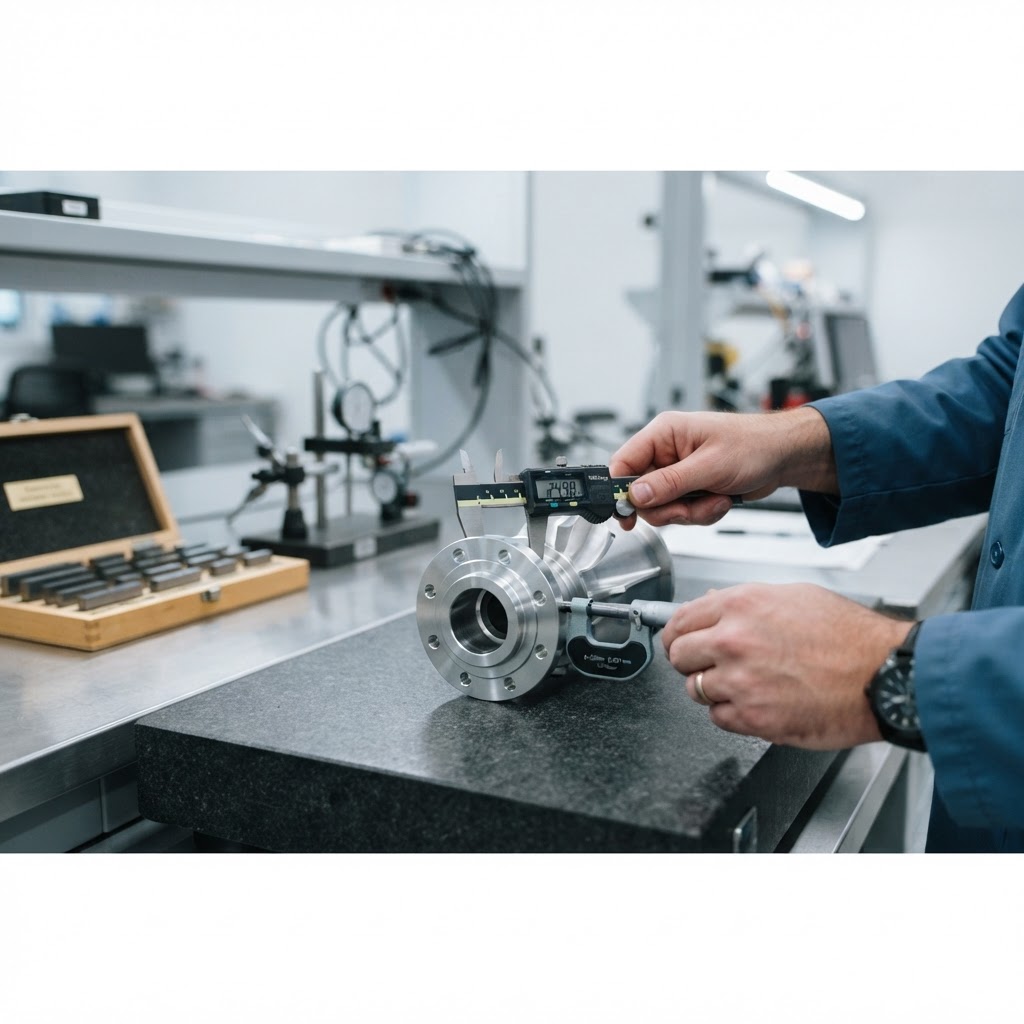
MSA and Gage R&R: Can We Trust Our Measurement System?
What is MSA, what does Gage R&R evaluate, and what is the difference between Repeatability and Reproducibility? Here is how to determine if a measurement system is reliable and if its data can be trusted.
 AI & Quality
AI in Quality Management – What Can You Really Do With It Today?
How can AI be integrated into quality management? From analyzing non-conformances and identifying trends to FMEA, corrective actions, and supplier management—and where professional judgment is still required.
 AI & Reliability
AI and Failure Analysis – Is It Possible to Detect the Next Failure Before It Happens?
Can system data provide early warning signs before a failure occurs? The integration between AI and reliability engineering enables the identification of anomalies and patterns—but it still requires high-quality data, verification, and professional engineering judgment.
 Problem Solving
Systematic Problem Solving – Why Treating a Symptom Is Not a Solution
The failure we observe is not always the root problem. Systematic problem solving allows for transitioning from the symptom to the root cause and implementing actions that prevent recurrence.
 Continuous Improvement
Continuous Quality Improvement – How to Transform Improvement from a One-Time Project into an Organizational Working Method?
Quality improvement shouldn't only begin when a failure occurs. How do you build a systematic process of setting goals, measurement, problem-solving, and learning that turns improvement into a routine part of the organization?
 Supplier Quality
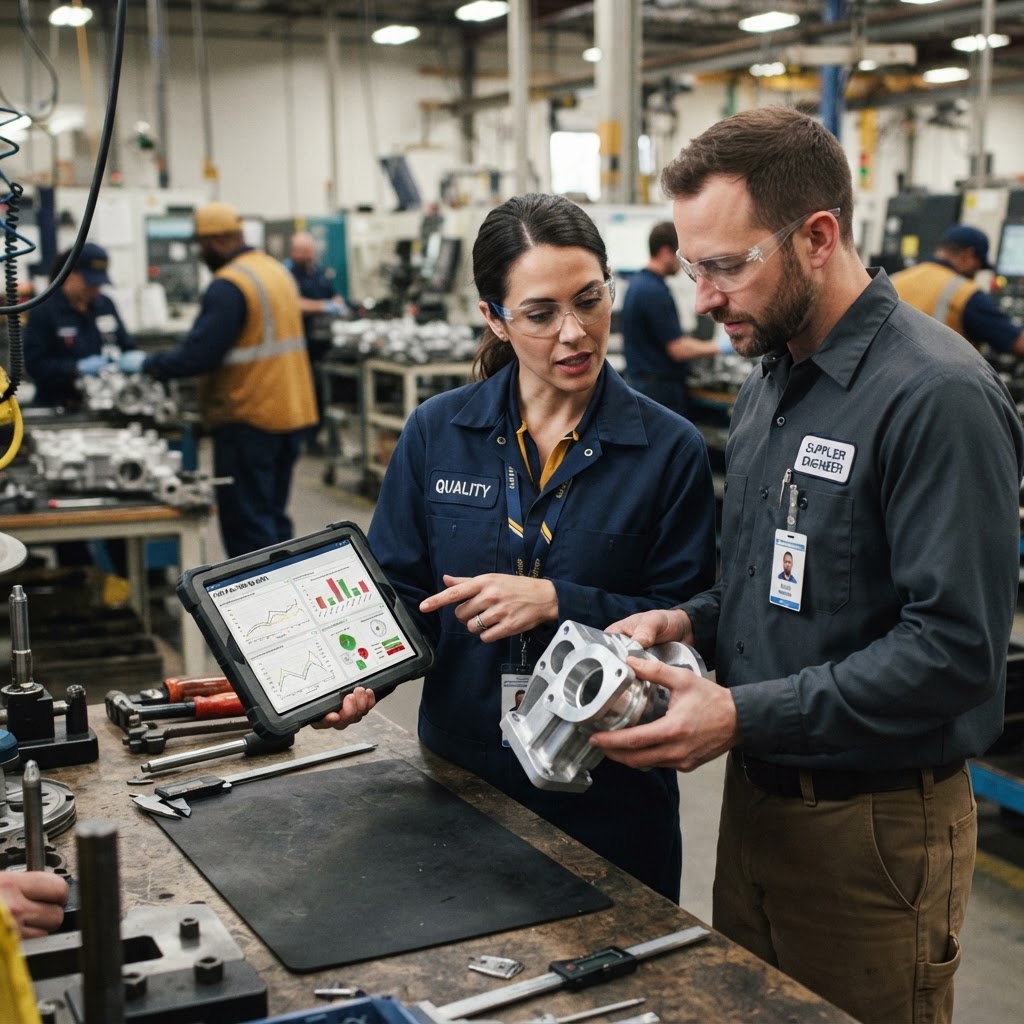
 – Why Product Quality Begins Long Before the Production Line
Product quality does not begin on the production line. How can supplier selection, capability assessment, requirement definition, and continuous improvement management prevent issues before they reach the organization?
 8D
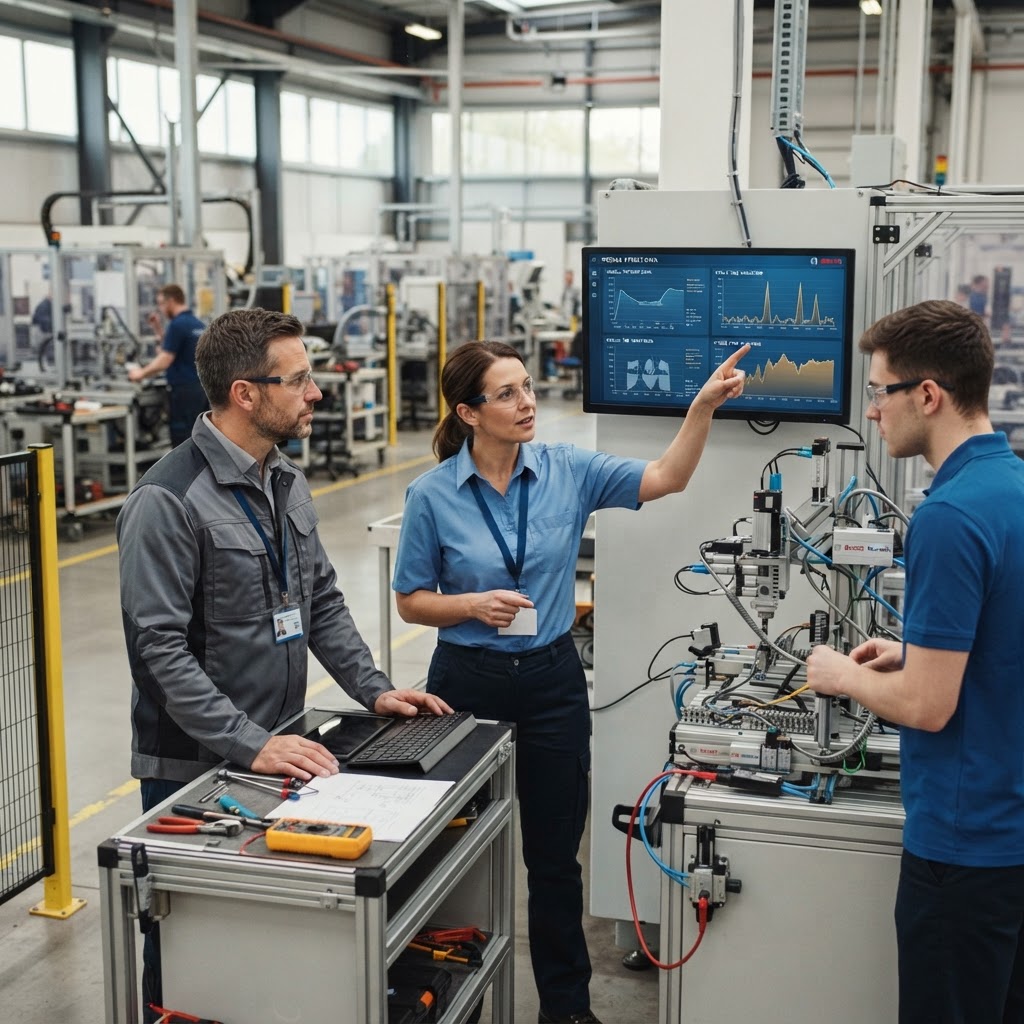
8D – From Complaint to Root Cause: How to Solve Problems So They Don't Return?
Repairing a fault is not necessarily solving the problem. The 8D methodology guides teams from problem description and containment actions through to root cause identification, corrective action, and recurrence prevention.
 Cost of Quality
 – When Does the Cost Actually Begin?
How much does a late-detected failure really cost an organization? Get to know the four components of the Cost of Quality and the transition from fault detection to investment in prevention and process improvement.
 CQE
CQE: What does a Quality Engineer really do and who is the certification suitable for?
A quality engineer is not just someone who inspects the product at the end of the process. What does their work entail, why are data and statistics a central part of it, and who is the CQE track suitable for?
 FMEA
FMEA – Identifying the Failure Before It Happens
A failure discovered in the field is often one that could have been identified during the design phase. FMEA is a systematic engineering tool for identifying potential failure modes, evaluating their effects, and prioritizing risks that require attention—before the failure occurs.
 Quality
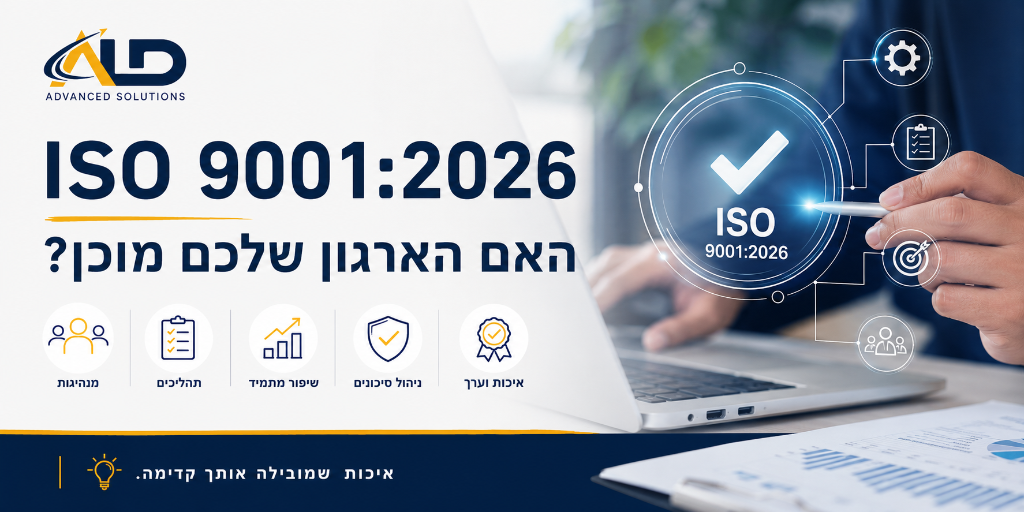
ISO 9001:2026 Is Coming – What Organizations Need to Know Now
ISO 9001:2026 is expected to be published soon. What is likely to change, should you prepare already, and which 5 things should every organization check in its quality system today?
 Quality
Is the CQE Certification Worth the Investment
The CQE certification – ASQ and EOQ – is one of the leading credentials for quality engineers. Who is it for and in which roles is it relevant?
 Quality
How Long Does It Take to Prepare for the CQE Certification
Preparing for the CQE certification spans several months of hybrid evening studies, totaling about 60 hours, up to the exam date.
 Quality
CQE vs CRE vs CMQ/OE — Which Certification Is Right for You
ALD Academy's three international certifications – ASQ and EOQ – target different audiences — quality engineer, reliability engineer or quality manager. A short guide to choosing the right track.
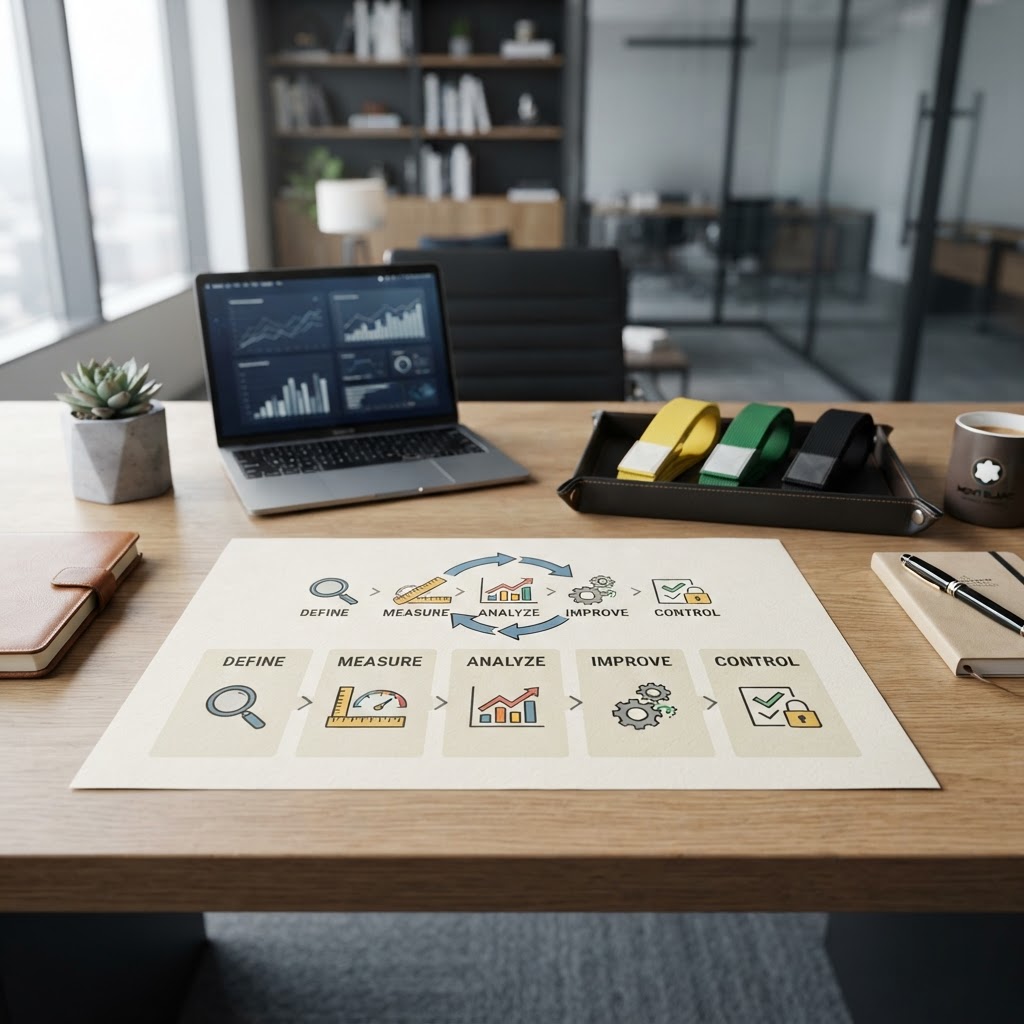 Six Sigma
Lean Six Sigma Pathways — From Yellow Belt to Black Belt
ALD Academy is launching Lean Six Sigma pathways across three levels: Yellow Belt, Green Belt and Black Belt.
 Quality
 Auditor Training Pathways
ALD Academy is launching a new training series for quality auditors in high-demand fields: industry, railways and construction & infrastructure.
 Quality & Process Improvement
The Seven Quality Tools Every Organization Should Know
Get to know the seven basic quality tools that help identify problems, analyze data, focus on root causes, and systematically improve processes.
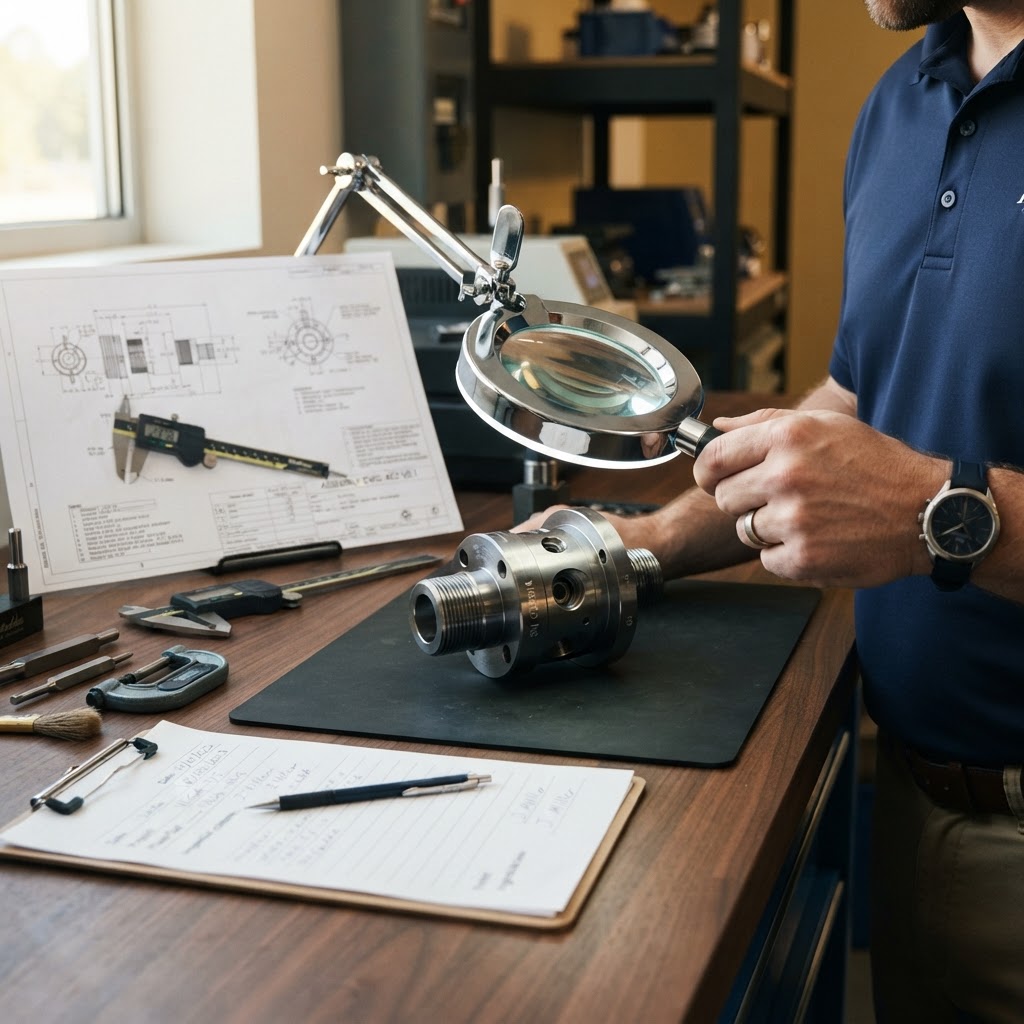 Quality
What is Quality? Much More Than Meeting Requirements
Quality is not just a defect-free product. Learn the core definitions from quality experts and the principles that transform quality from a testing mechanism into an organizational management style.
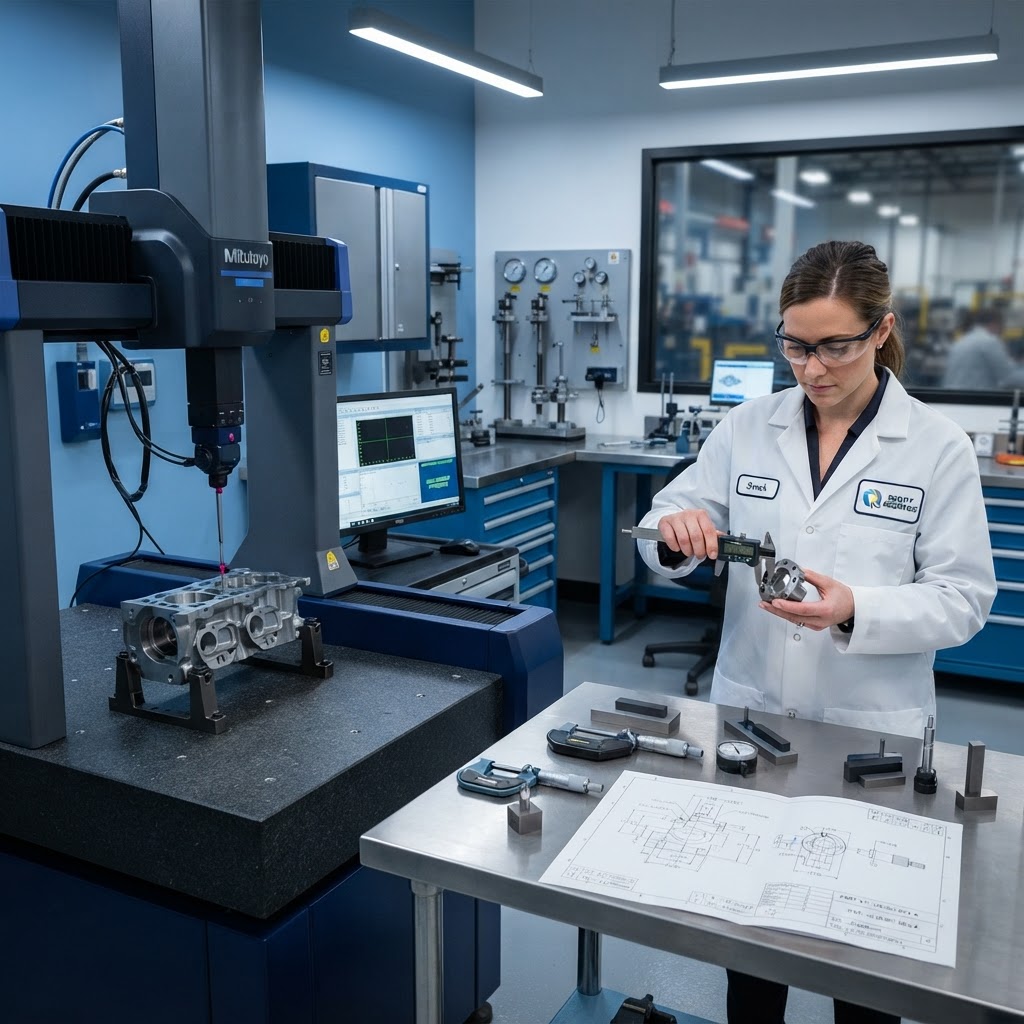 Quality
Why Quality Control Alone is Not Enough?
Three processes that every successful organization must implement to achieve true quality
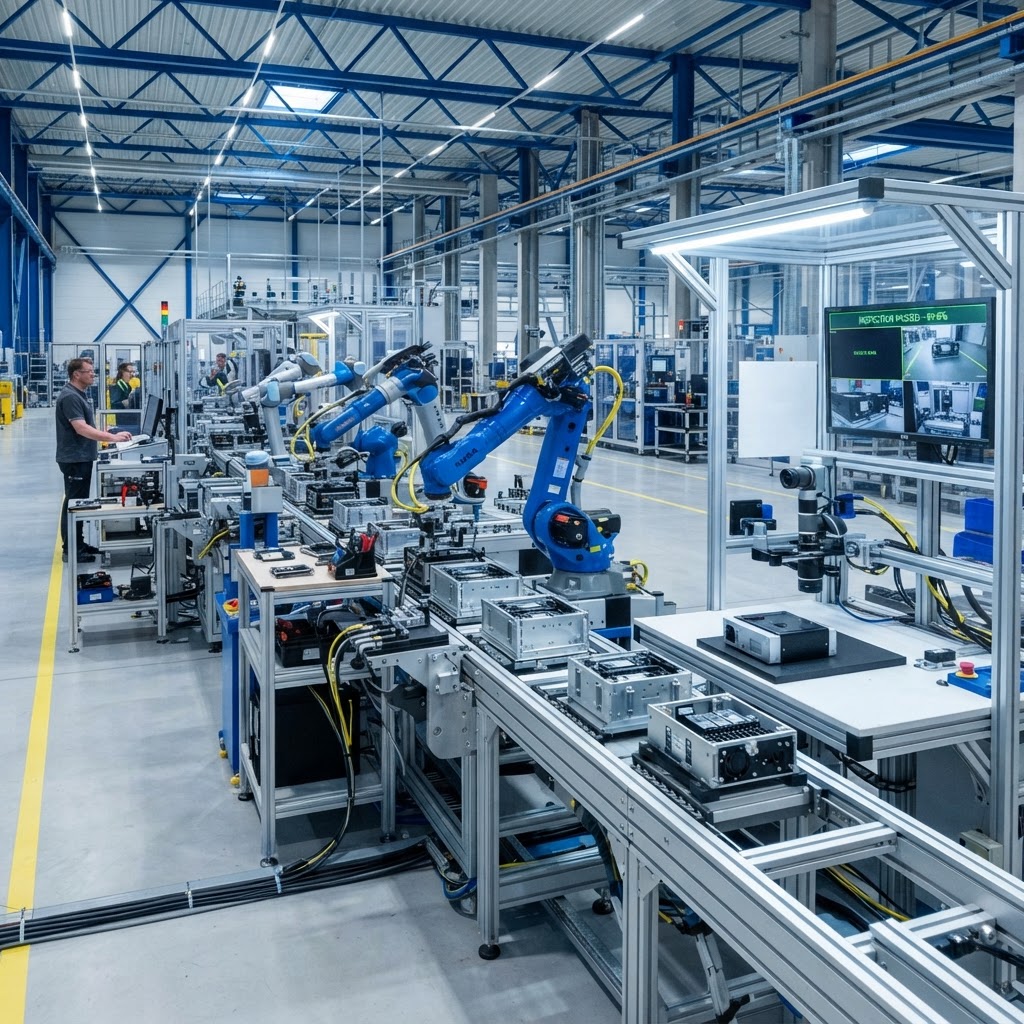 Quality
The Three Processes of Quality Management
How Planning, Control, and Continuous Improvement Create a Successful Organization
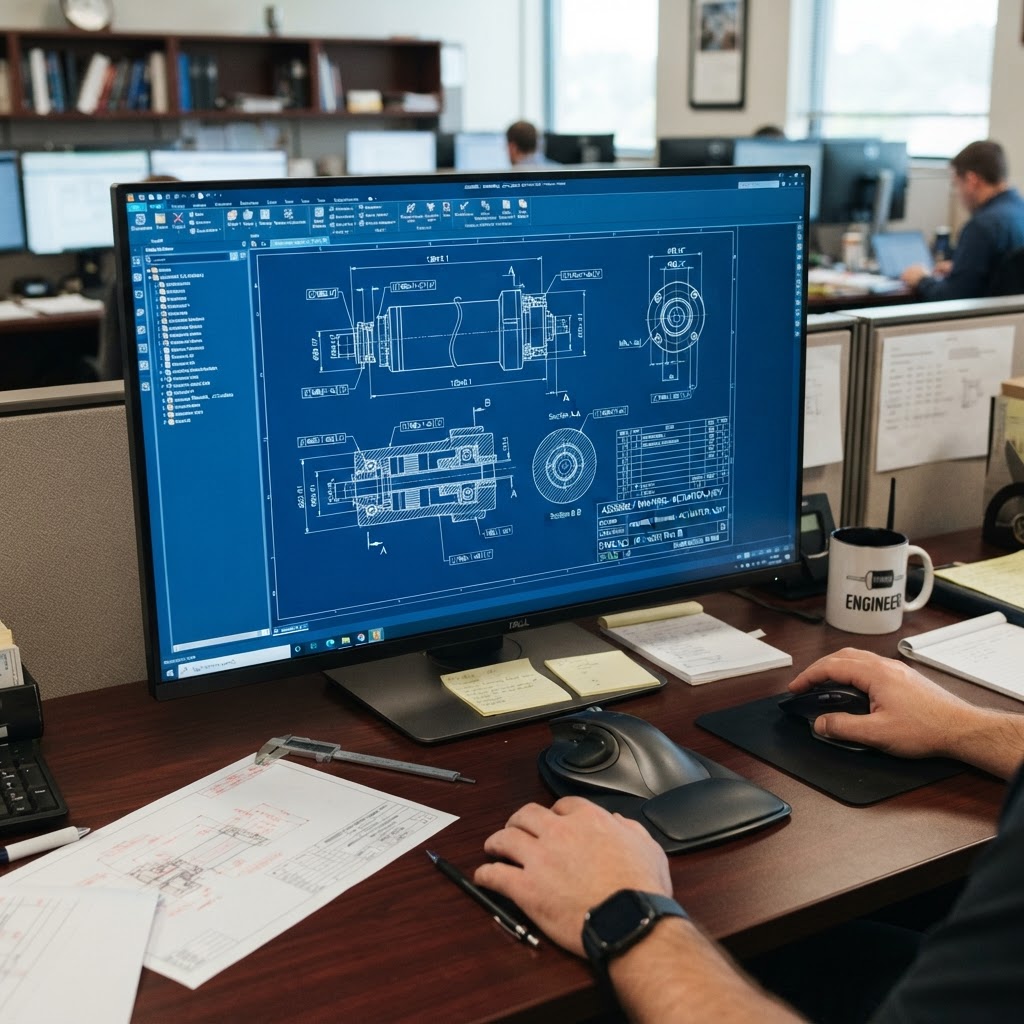 Quality
 Begins with Planning
Why the decisions made at the beginning of a project determine the quality level of the final outcome
 Quality
Proper Measurement Enables Real Improvement
How to turn data into quality decisions
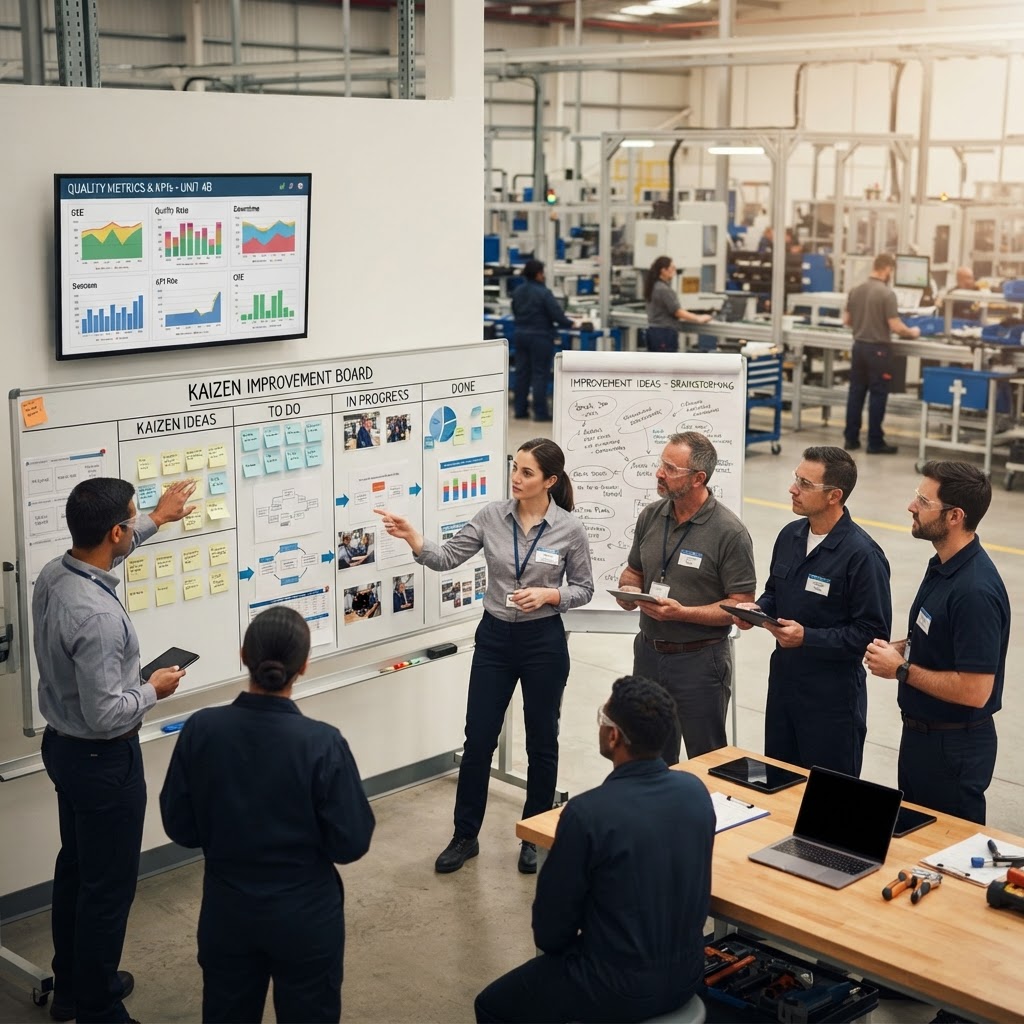 Quality
Continuous Improvement is a Culture – Not a Project
How Leading Organizations Turn Daily Improvement into a Competitive Advantage
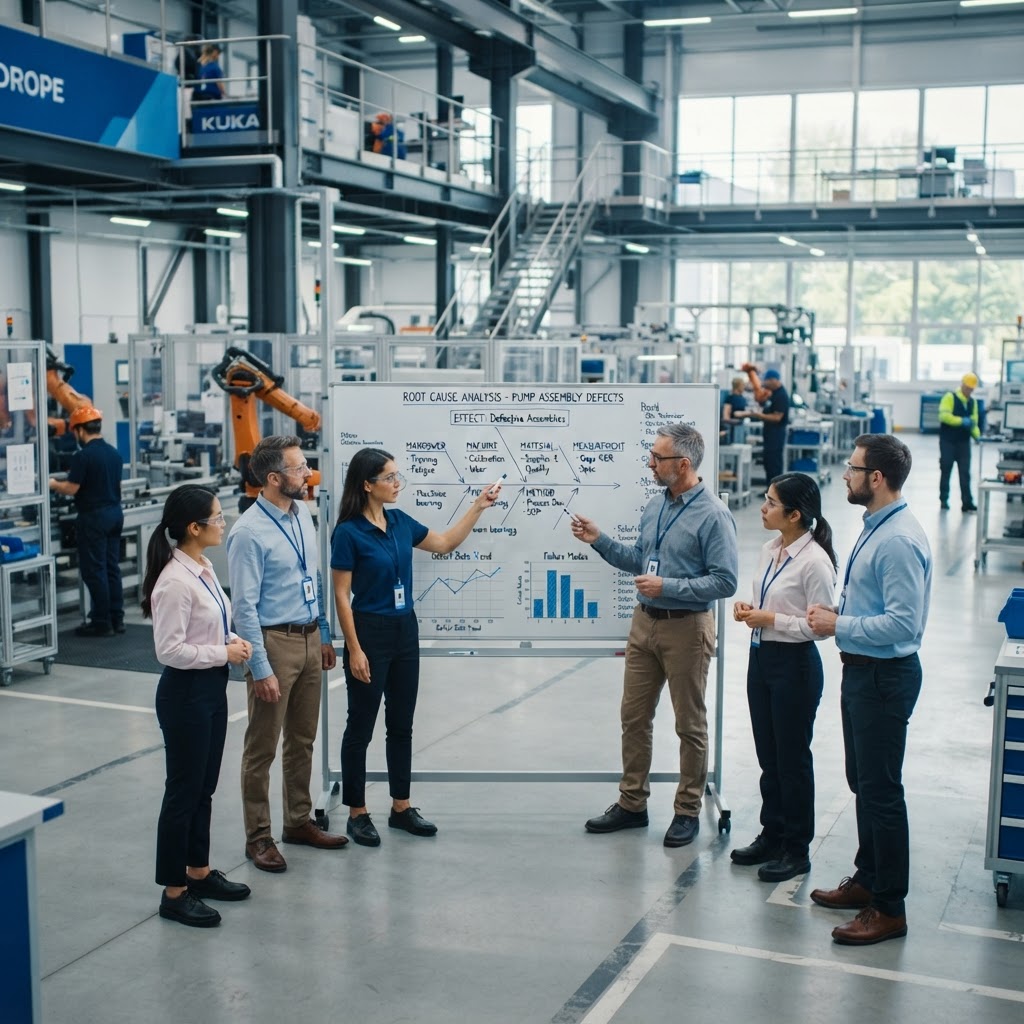 Root Cause Analysis
 – Addressing the Cause, Not the Symptom
Why a quick fix isn’t always the right solution, and how root cause analysis prevents recurrence of failures
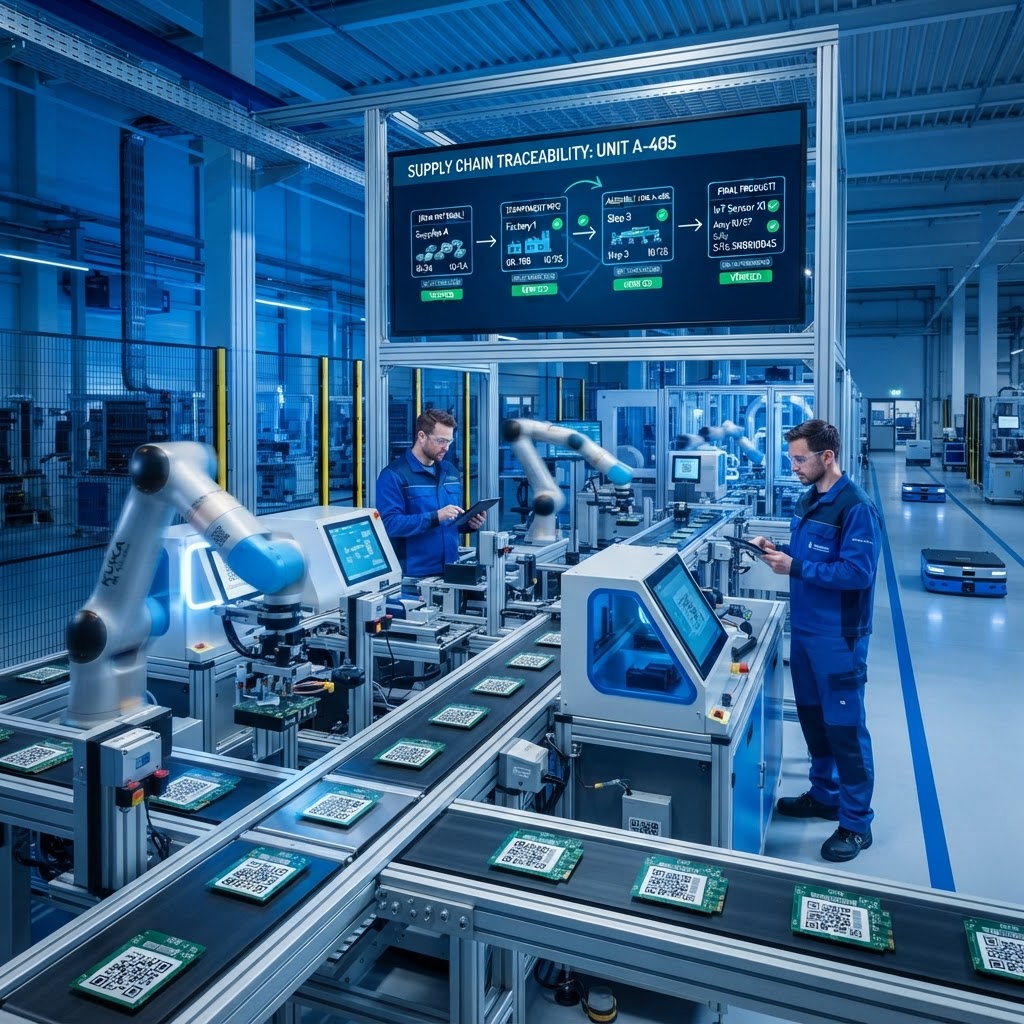 Traceability
 – Traceability Is Much More Than a Serial Number
How traceability protects quality, safety, and reliability throughout the product lifecycle
 Quality
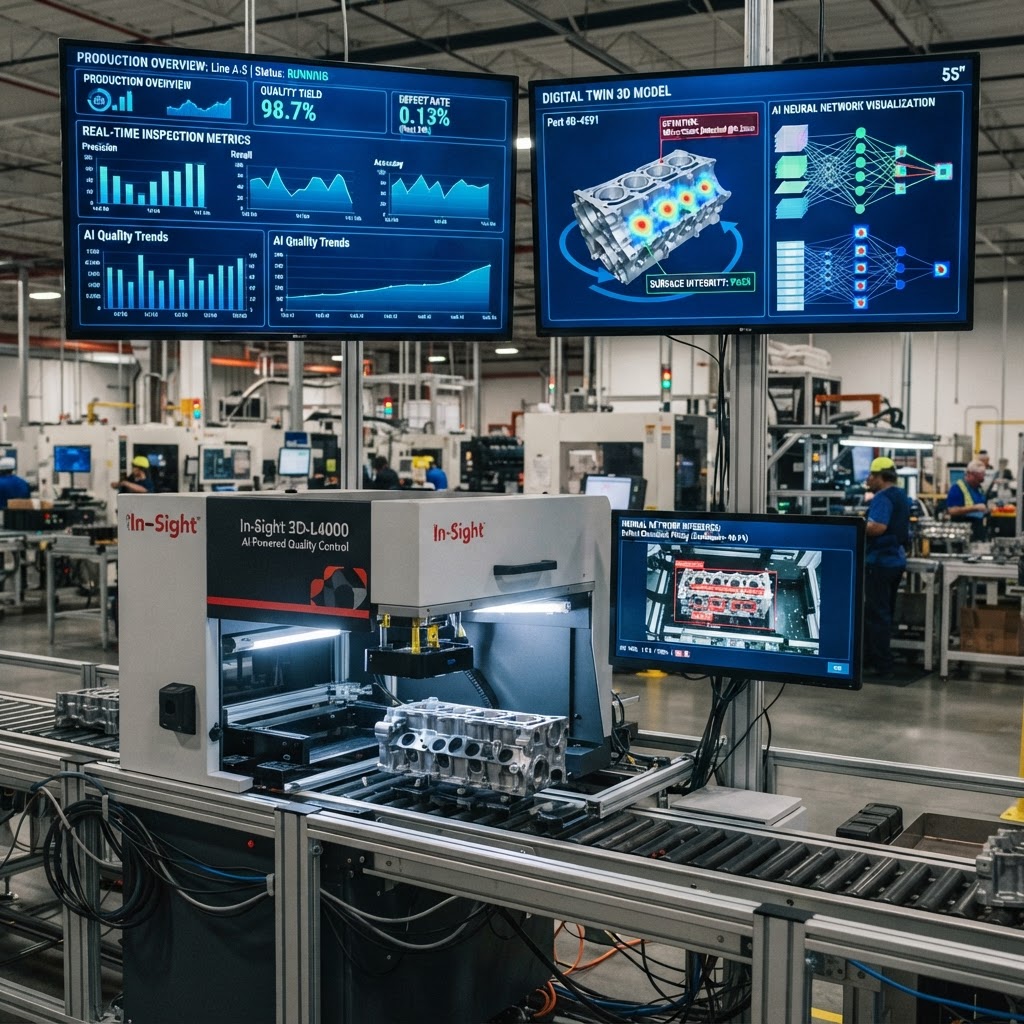
Artificial Intelligence in the World of Quality
How AI is changing the way organizations manage quality, reliability, and processes
 Reliability
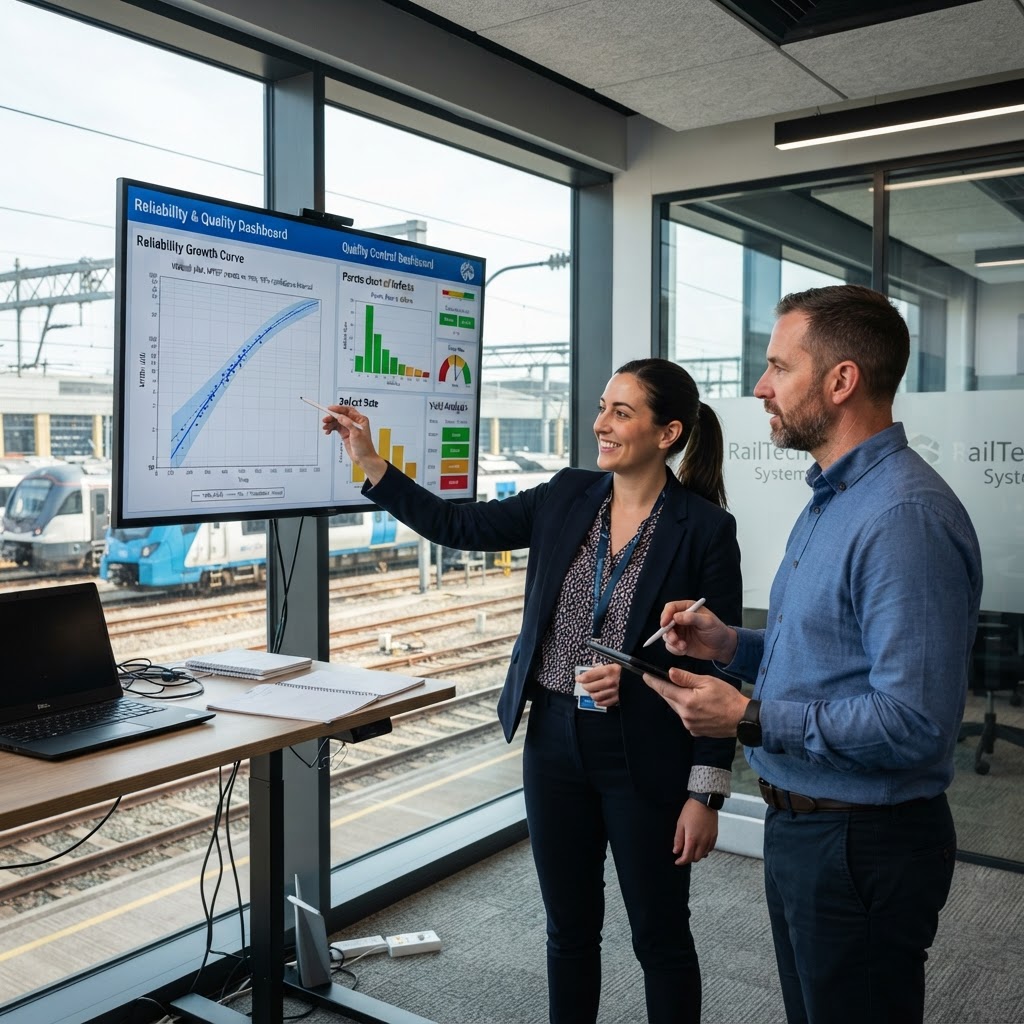
The Connection Between Quality and Reliability
Why a high-quality product is not necessarily a reliable product, and how the right combination of these fields improves performance.
 Reliability
DFMEA vs. PFMEA – What is the difference, and when to use each?
Both ask 'what could go wrong,' but each focuses on a different aspect: design or process. Here is how to understand the difference, the assumptions of each analysis, and the connection between them.
 FRACAS
 – Turning Every Failure into an Opportunity for Improvement
How leading organizations manage failures throughout the product lifecycle and turn them into learning
 RAMS
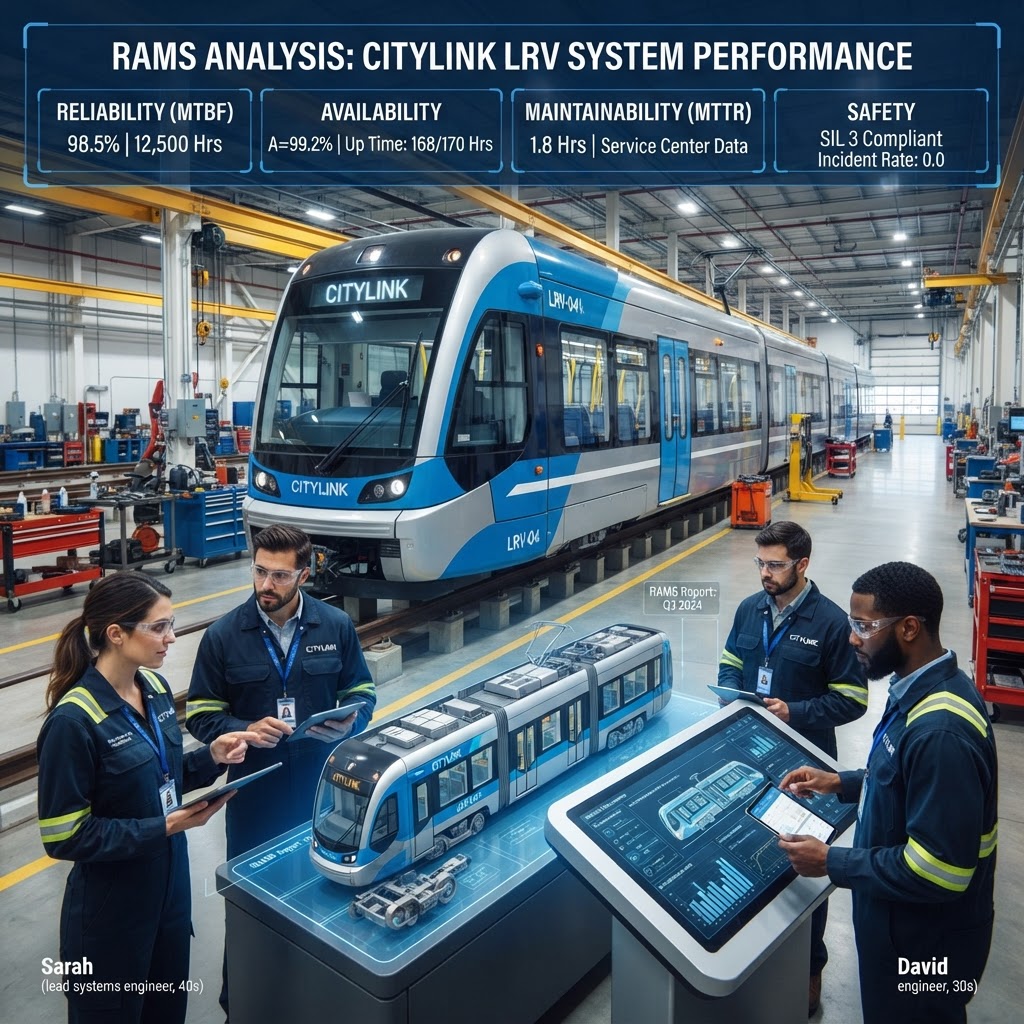
RAMS – The Basis for Safe, Reliable, and Available Systems
Why complex projects cannot succeed without the RAMS methodology
 Quality
 Leadership – Why Quality Starts at the Top
How managers create an organizational culture that leads to excellence and continuous improvement
 Quality
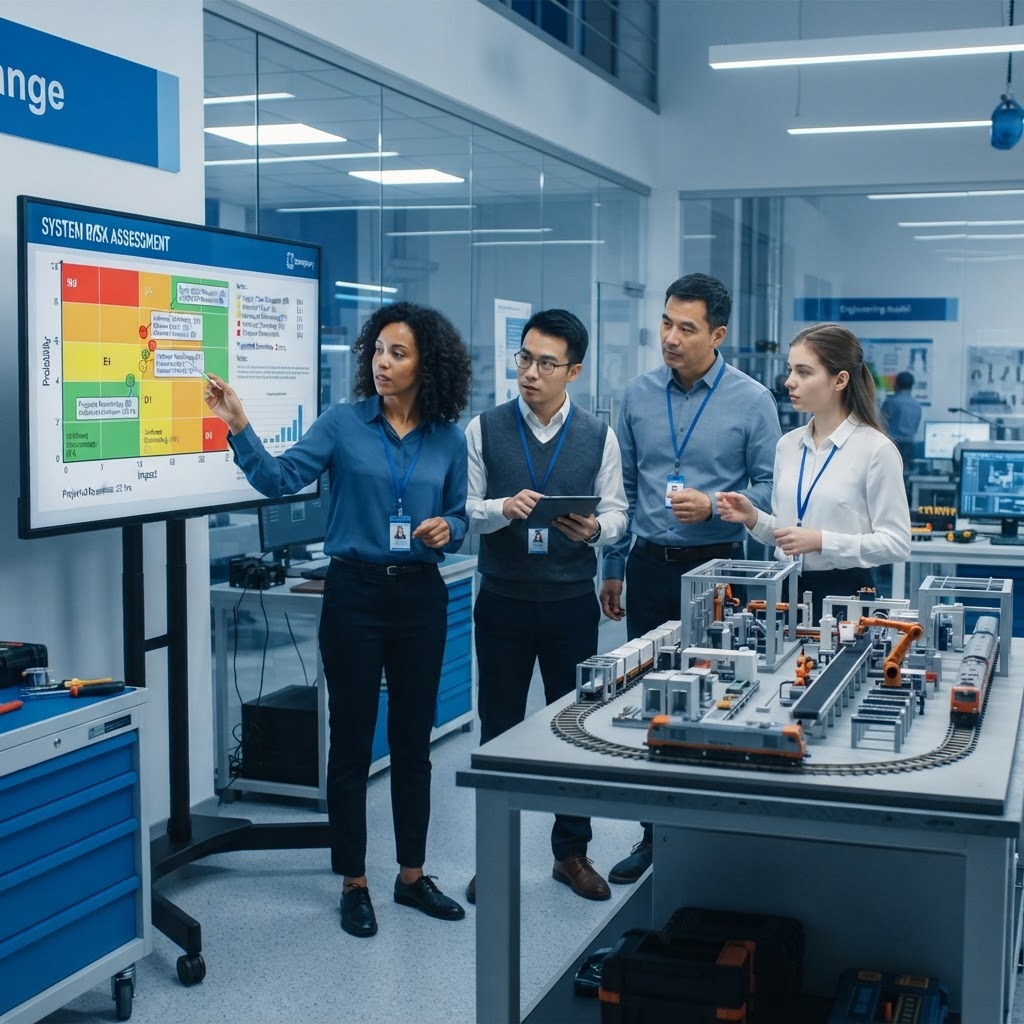
Risk Management – How to Build a Process That Works Throughout the Project, Rather Than a Table Forgotten in a Drawer?
Effective risk management is an ongoing process, not a one-off document. This is how to define criteria, assess risks in a matrix, choose a treatment option, and run a risk register that shapes real decisions.
 Quality
 4.0 – How the Quality Professional's Role is Evolving, and What Skills Will Be Required
Quality 4.0 is not just another software tool, but a shift in how an organization produces, analyzes, and uses quality data. What does this mean for the day-to-day work of quality engineers and managers, and which skills should you develop right now?