Why Quality Control Alone is Not Enough?
Three processes that every successful organization must implement to achieve true quality
In this insight you will learn
- Why quality starts with planning and not with inspection
- What is the difference between Quality Planning and Quality Control
- How continuous improvement reduces costs
- What common mistakes organizations make
Quality does not start with the final inspection – it begins with decisions made long before the first product is manufactured.
Quality Does Not Start With Inspection – It Starts Much Earlier
When managers are asked what the role of the quality department is, the first answer is usually: "To perform audits, tests, and identify deviations."
This is a correct answer – but only partially.
Quality control is an important component of any quality system, but it alone cannot guarantee that a product, service, or project will consistently meet customer requirements and expectations.
In fact, if an organization relies solely on end-of-process inspections, it operates after the problem has already occurred. At this stage, it may be possible to identify the failure, but it may already be too late to prevent costs, delays, or customer dissatisfaction.
An advanced quality system is based on a broader approach that integrates three core processes: Quality Planning, Quality Control, and Quality Improvement. This idea is also reflected in materials drawn from Dr. Zigmond Bluband's book.
First Process – Quality Planning
Quality begins long before the first product is manufactured.
In the planning stage, we define:
- What the customer requirements are.
- What standards and regulations apply to the product.
- What the critical quality characteristics are.
- How the success of the process will be measured.
- What the possible risks are and how to mitigate them.
Effective quality planning allows problems to be prevented before they occur. Instead of fixing mistakes after production, the organization invests in creating a stable process from the start. This is one of the most worthwhile investments any organization can make.
Second Process – Quality Control
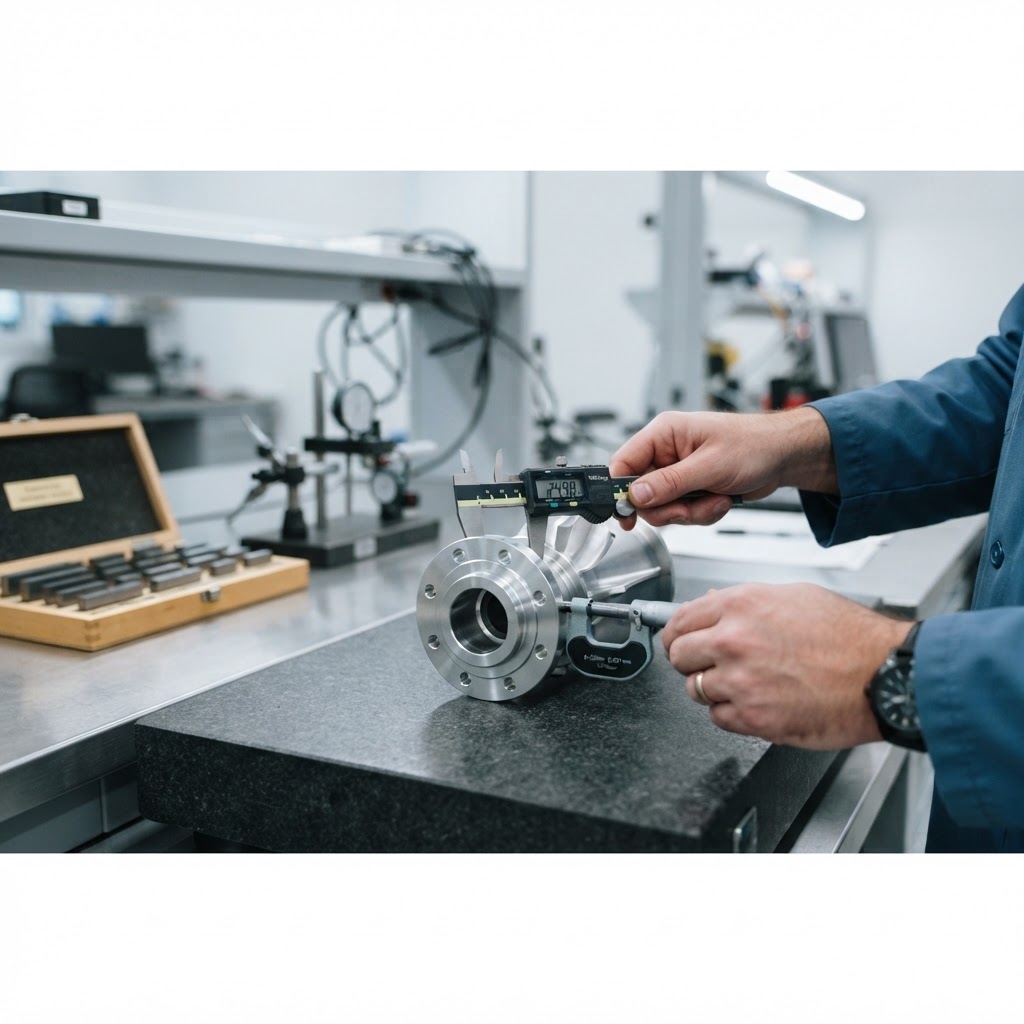
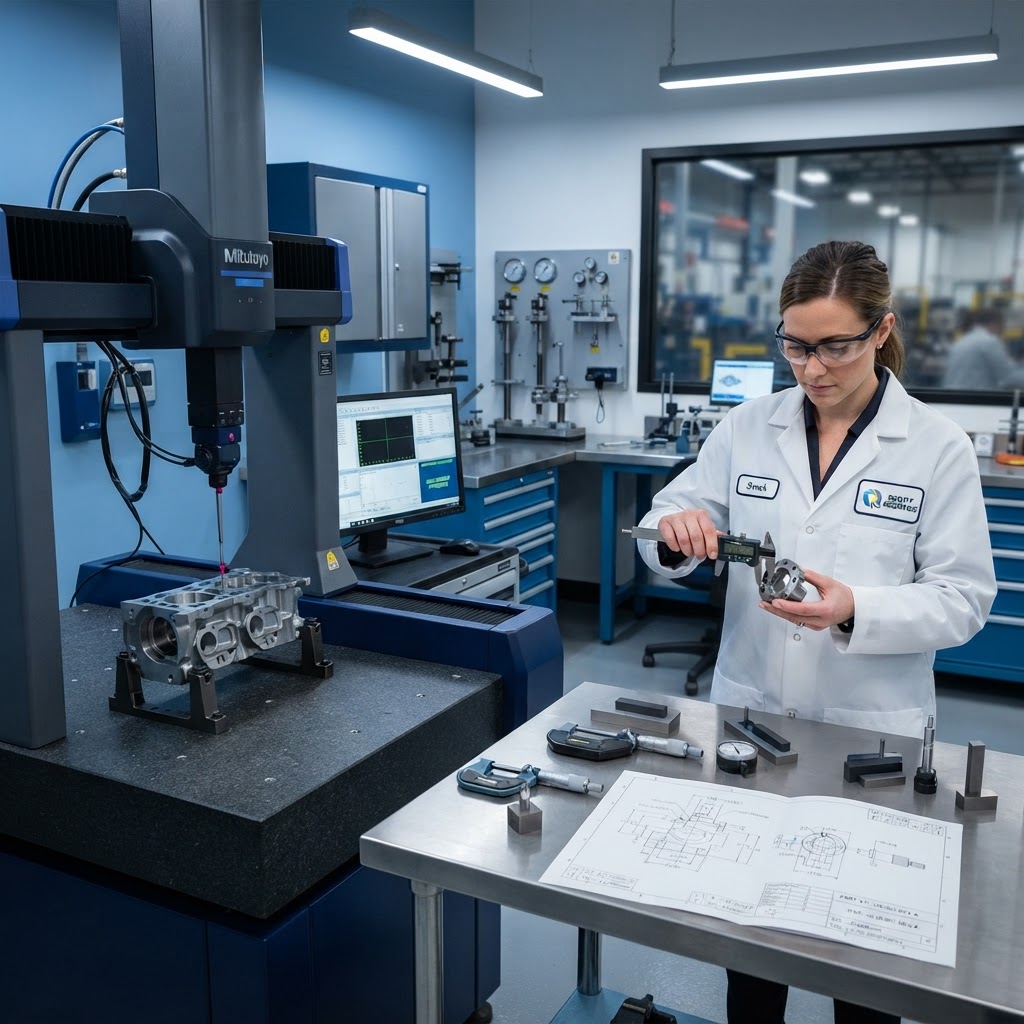
Quality control is the most recognized process. It includes, among other things:
- Acceptance testing
- In-process inspections
- Final inspections
- Measurements
- Audits
- Compliance verification
Its purpose is to ensure that the process and the product indeed meet the defined requirements.
But it is important to understand: Quality control does not prevent problems – it identifies them. The later a problem is detected, the higher the cost of handling it will be.
Third Process – Quality Improvement
This is the stage that distinguishes an organization that reacts to problems from one that consistently improves.
When a defect is detected, the question is not only "How do we fix it?" but also:
- Why did it occur?
- Is it likely to recur?
- What can be changed in the process to prevent it in the future?
For this purpose, professional tools are used such as: Root Cause Analysis, FMEA, SPC, Lessons Learned, and Continuous Improvement.
The goal of this stage is to create a better process, not just a more correct product.
An Example from Industry
Suppose a factory discovers that 8% of products are rejected in the final inspection.
If the organization is satisfied with only quality control, it will simply reject the non-compliant products. In contrast, an organization operating according to the three processes would perform:
Quality Planning – Checking whether the work specifications are clear, whether employees are trained, and whether the production process meets the requirements.
Quality Control – Early detection of deviations throughout the process and not just at its end.
Quality Improvement – Root cause analysis, updating work instructions, training employees, and improving the process so that the rejection rate decreases consistently.
In this way, not only is the problem fixed – but its recurrence is prevented.
Quality is Everyone's Responsibility
One of the common mistakes is to see the quality department as the sole "owner" of quality. In reality:
- Management is responsible for policy and culture.
- Engineering is responsible for proper design.
- Purchasing is responsible for supplier quality.
- Production is responsible for executing the process.
- Quality is responsible for ensuring that the entire process operates as required.
Only when all parties work together can stable quality be achieved over time.
Summary
Quality control is an important tool – but it is not sufficient on its own. A successful quality system integrates three components: Quality Planning, Quality Control, and Continuous Improvement. When all three components work together, the organization reduces failures, improves its performance, and increases customer satisfaction.
Want to Deepen the Topic?
At ALD Advanced Solutions, we accompany organizations in implementing quality systems, improving processes, analyzing failures, and training professionals in the fields of quality, reliability, and RAMS. For more information about our consulting and training services, feel free to contact us or explore our CQE, CMQ/OE, and CRE courses.
Insight from Dr. Zigmond Bluvband
“Quality is not created at the final inspection. It is created by decisions made at the beginning of the project.”
This insight is based on professional knowledge, practical experience and study materials of ALD Advanced Solutions, and inspired by the books and publications of Dr. Zigmond Bluvband.