
Root Cause Analysis – Addressing the Cause, Not the Symptom
Why a quick fix isn’t always the right solution, and how root cause analysis prevents recurrence of failures
In this insight you will learn
- What is the difference between a symptom and a root cause
- What tools are used for root cause analysis (5 Why, Fishbone, Pareto)
- How preventing recurrence of failures saves time and money
- Why the problem should be sought in the process, not in people
Every organization experiences failures. The real question is not whether they will occur, but how the organization will choose to deal with them – and whether it will address the symptom or the true cause of the problem.
Introduction
Often, there is pressure to "return the system to operation" as quickly as possible. The fault is fixed, a component is replaced, or an adjustment is made – and then we move on.
However, if the reason why the failure occurred is not investigated, there is a high chance that it will happen again.
This is precisely the goal of Root Cause Analysis (RCA) – to identify the root cause and not just the symptom.
What is a Root Cause?
A root cause is the true reason why the failure occurred.
For example:
- The Symptom: The product failed quality testing.
- The Root Cause: The measuring device was not calibrated, or the work instruction was unclear, or the raw material did not meet the requirements.
When only the symptom is addressed, the failure will recur. When the cause is addressed – the likelihood of recurrence is significantly reduced.
Key Tools for RCA
Among the common methods:
- 5 Why
- Fishbone Diagram (Ishikawa)
- Pareto Analysis
- Fault Tree Analysis
- Failure Mode Analysis
There is no one method that fits all situations. The choice depends on the complexity of the problem and the available information.
Industry Example
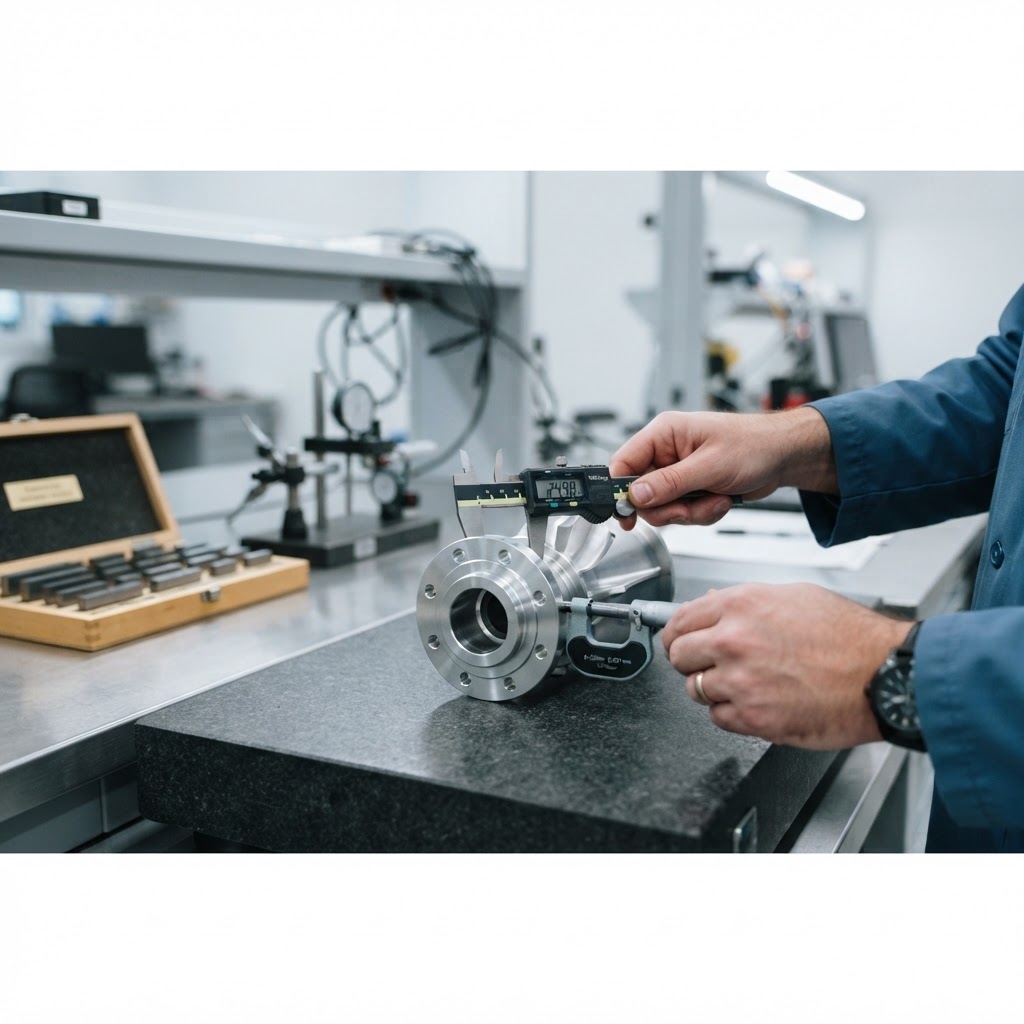
At a machining factory, recurring deviations were discovered in the dimensions of a particular part.
Instead of continually adjusting the machine, RCA was conducted. It turned out that the problem was not with the machine at all, but rather with a change in ambient temperature that caused the raw material to expand.
After installing a temperature control – the problem disappeared. Without RCA, they would have continued to adjust the machine unnecessarily.
The Most Common Mistake
Blaming individuals.
In practice, in most cases, the problem lies within the process and not with the person. A mature quality system seeks to improve the process rather than find someone to blame.
Conclusion
Root Cause Analysis is one of the most important tools in the quality world. An organization that addresses the true cause of a problem saves time, money, and frustration – and improves its performance over time.
Insight from Dr. Zigmond Bluvband
“Fixing the symptom soothes the system. Addressing the root cause improves it.”
This insight is based on professional knowledge, practical experience and study materials of ALD Advanced Solutions, and inspired by the books and publications of Dr. Zigmond Bluvband.