
Traceability – Traceability Is Much More Than a Serial Number
How traceability protects quality, safety, and reliability throughout the product lifecycle
In this insight you will learn
- What does a complete traceability system include
- How traceability reduces the scope of recalls
- Why traceability requirements are stricter in rail and aviation
- How traceability supports compliance with regulatory requirements
When a product failure is discovered, one of the first questions is which additional products may be affected – and without a proper traceability system, it is very difficult to answer this question.
Introduction
Traceability is the ability to follow every stage in the lifecycle of a product – from raw materials to the end customer.
What Does a Complete Traceability System Include?
A quality traceability system documents:
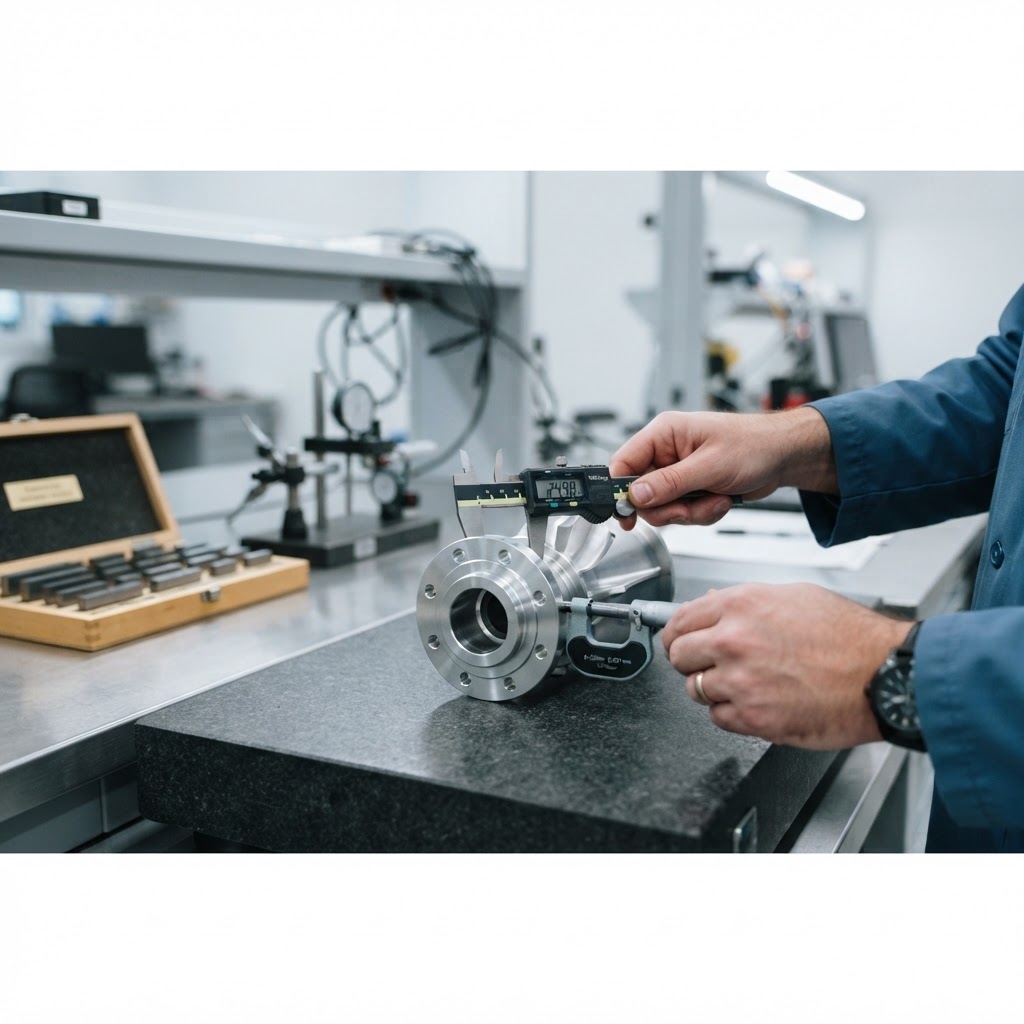
- Batch numbers
- Raw materials
- Suppliers
- Machine operators
- Measurement equipment
- Test results
- Production dates
- Repair actions
This way, it’s possible to know at any moment what every product has gone through.
Why Is Traceability Important?
The main benefits include:
- Rapid identification of the source of a fault
- Reduction in the scope of recalls
- Compliance with regulatory requirements
- Improved customer trust
- Lessons learned
- Process improvement
Example from the Industry
A medical equipment manufacturer discovered that one of the raw materials supplied did not meet requirements.
Thanks to a complete traceability system, it was possible to identify within hours which products were produced from the problematic batch. Instead of recalling thousands of products, only a few dozen were returned.
The financial and reputational savings were immense.
Traceability in the Rail and Aviation Industries
In railway, aviation, and security projects, traceability requirements are particularly strict. Every component, every inspection, every change, every software update, and every engineering approval must be documented.
This documentation allows for fault investigations even years after the system has been delivered.
The Common Mistake
Many organizations settle for basic documentation. However, true traceability is not limited to a serial number – it involves linking all relevant information throughout the product lifecycle.
Conclusion
Traceability is one of the cornerstones of an advanced quality system. It helps manage risks, comply with regulatory requirements, and protect both customers and the organization.
Insight from Dr. Zigmond Bluvband
“Identifying product serial number. True traceability tells its whole story.”
This insight is based on professional knowledge, practical experience and study materials of ALD Advanced Solutions, and inspired by the books and publications of Dr. Zigmond Bluvband.