Artificial Intelligence in the World of Quality
How AI is changing the way organizations manage quality, reliability, and processes
In this insight you will learn
- What AI applications exist in the world of quality
- How AI improves anomaly detection and failure prediction
- Why AI does not replace engineering judgment
- What conditions are required for successful AI implementation
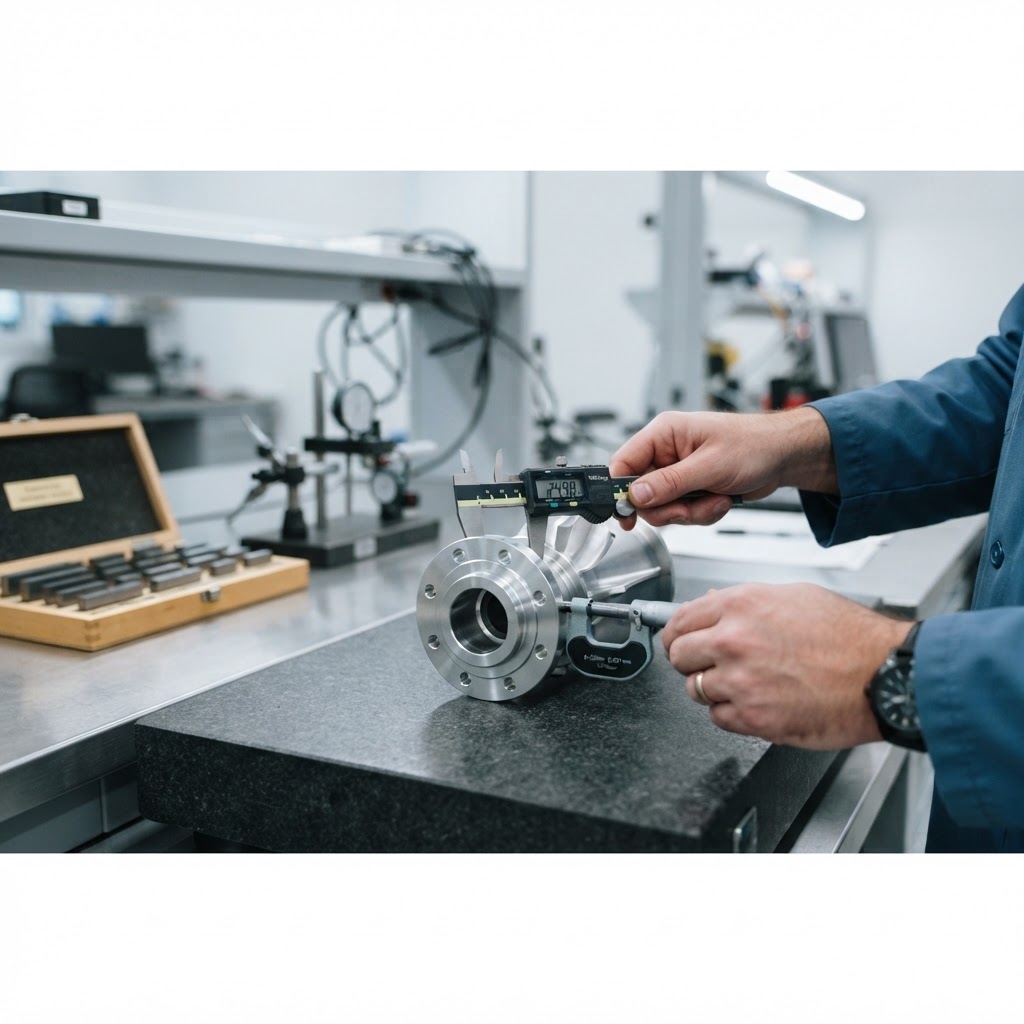
For years, the quality field has primarily relied on experience and manual testing. Today, artificial intelligence is changing the game – not to replace the quality engineer, but to provide them with better tools.
Introduction
Instead of waiting for a failure to occur, smart systems can identify trends, alert to anomalies, and even predict failures before they happen.
However, it is important to understand: AI does not replace the quality engineer – it provides them with better tools for decision-making.
What is Artificial Intelligence in the World of Quality?
Artificial Intelligence allows systems to learn from data, identify patterns, and make decisions based on large amounts of information.
In the field of quality, it can be used for:
- Identifying visual defects using cameras
- Predicting machine failures
- Analyzing customer complaints
- Detecting statistical anomalies
- Prioritizing corrective actions
- Analyzing quality trends
What Advantages Does AI Bring to an Organization?
Early detection of anomalies – Instead of waiting for a customer complaint, an anomaly can be detected in real-time.
Rapid decision-making – AI systems can analyze thousands of data points within seconds.
Improved consistency – A computerized system is unaffected by fatigue or human biases.
Increased reliability – Analyzing historical data allows for the identification of patterns that were previously invisible.
An Industry Example
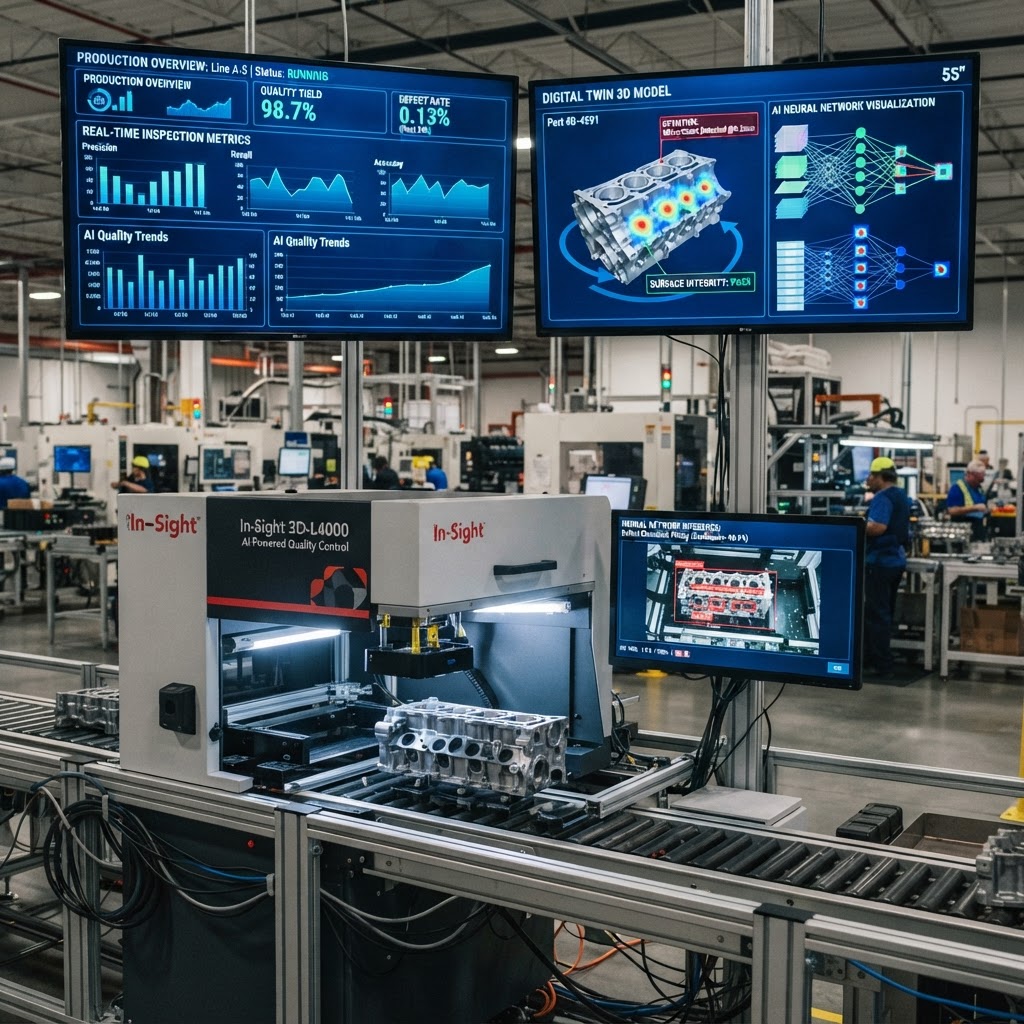
In a factory producing components for the aviation industry, smart cameras were installed to examine each component at the end of production.
After integrating the AI system:
- The inspection time was reduced
- Tiny defects not visible to the eye were identified
- The rate of repeated rejections decreased
- Consistency between shifts improved
However, the final decision remained with the quality engineer.
Does AI Replace Quality Professionals?
The answer is no. AI assists in data collection, trend analysis, alerts, and recommendation suggestions. But it does not replace professional experience, engineering judgment, understanding of regulatory requirements, or professional responsibility.
Therefore, the future is collaboration between humans and technology.
The Challenges of Implementing AI
Before implementing artificial intelligence, it is important to ensure: data quality, information consistency, data security, transparency in decision-making, and compliance with regulatory requirements.
A good AI system is based first and foremost on quality data.
Conclusion
Artificial intelligence is not a goal in itself. It is a tool that enables organizations to improve quality, reduce failures, optimize processes, and strengthen decision-making capabilities.
Insight from Dr. Zigmond Bluvband
“Artificial intelligence does not replace the quality engineer. It provides them with a broader and faster perspective.”
This insight is based on professional knowledge, practical experience and study materials of ALD Advanced Solutions, and inspired by the books and publications of Dr. Zigmond Bluvband.