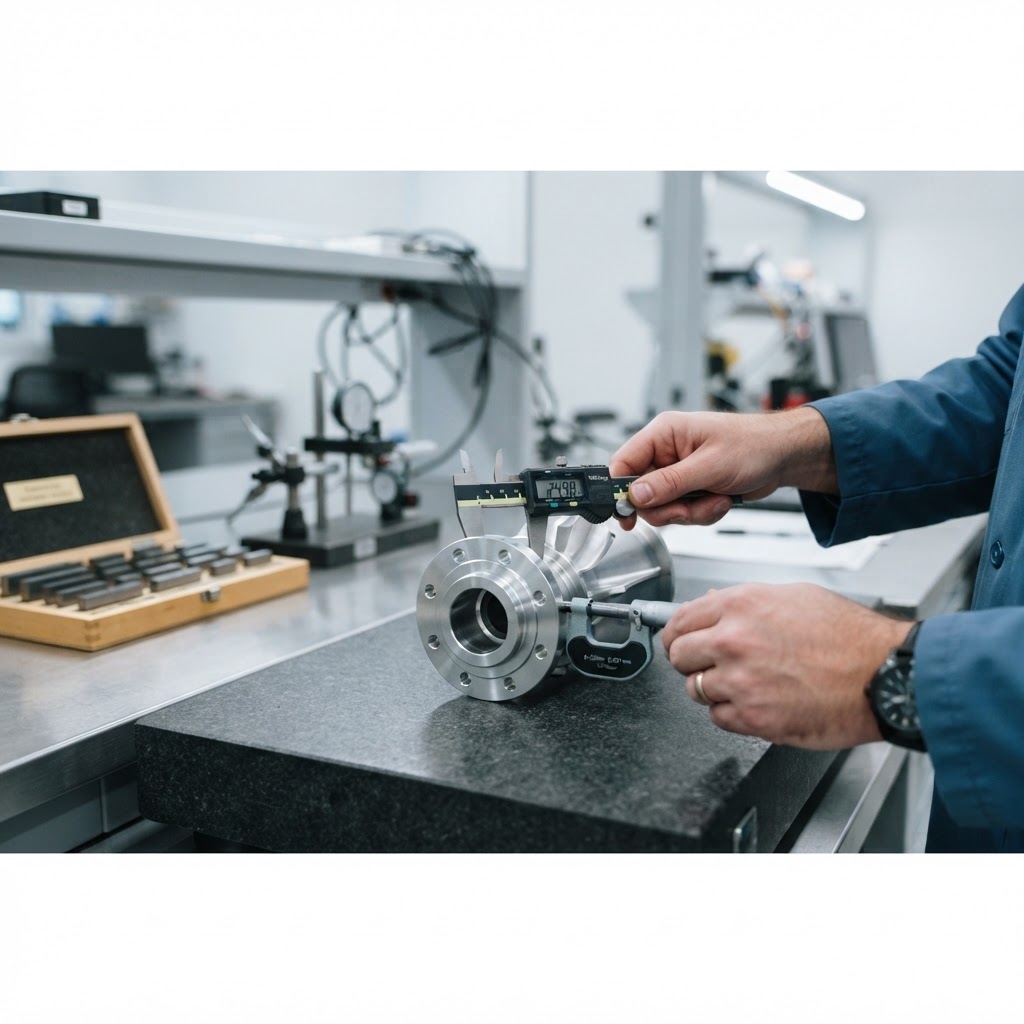

The Connection Between Quality and Reliability
Why a high-quality product is not necessarily a reliable product, and how the right combination of these fields improves performance.
In this insight you will learn
- What is the fundamental difference between quality and reliability?
- Why can a high-quality product fail over time?
- What tools integrate Quality and Reliability Engineering?
- How does RAMS connect the fields?
One of the most common mistakes in engineering is to think that quality and reliability are the same thing—despite their close relationship, they are two different fields that complement each other.
Introduction
A product can be high-quality on the day it leaves the production line but may still fail after several months of operation. In contrast, a reliable product must be of high quality—but also maintain its performance over time and under the specified operating conditions.
What is Quality?
Quality addresses one question: Does the product meet the defined requirements?
- Correct dimensions
- Compliance with specification
- Performing all tests
- Meeting customer requirements
In other words, quality is measured at a specific point in time.
What is Reliability?
Reliability examines a different question: Will the product continue to perform its function over time?
Here we consider:
- MTBF
- Failure Rate
- Reliability Prediction
- Reliability Growth
- Environmental Conditions
- Loads
- Wear
Reliability deals with the product's life cycle.
Why is it Important to Combine the Two?
A high-quality product that is not reliable will cause failures at the customer level, warranty costs, damage to reputation, and loss of trust.
In contrast, a reliable product that does not meet quality requirements will not reach the customer at all.
Therefore, leading organizations combine Quality Engineering with Reliability Engineering from the development stages.
Industry Example
A manufacturer of electronic systems performed all the required quality tests before supplying the products. All units passed successfully.
However, after about eight months in the field, recurring failures began to appear. An investigation revealed that the electronic circuits were not designed to operate at the high temperatures they experienced in practice.
From a quality perspective, the product was fine. From a reliability perspective, improvement was needed.
How to Combine Quality and Reliability?
Leading organizations conduct:
- Design Reviews
- FMEA
- Reliability Prediction
- HALT/HASS
- FRACAS
- Life Cycle Cost Analysis
The goal is not just to provide a working product—but a product that continues to function for years.
Summary
Quality and reliability do not compete with each other. Quality ensures that the product meets requirements. Reliability ensures it continues to meet them over time. The combination of the two is the foundation for the success of complex systems.
Insight from Dr. Zigmond Bluvband
“Quality asks: Is the product functioning now? Reliability asks: Will it continue to function tomorrow?”
This insight is based on professional knowledge, practical experience and study materials of ALD Advanced Solutions, and inspired by the books and publications of Dr. Zigmond Bluvband.