
What is Quality? Much More Than Meeting Requirements
Quality is not just a defect-free product. Learn the core definitions from quality experts and the principles that transform quality from a testing mechanism into an organizational management style.
Quality is more than just a product without defects. It is the ability to provide consistent value to the customer, meet both stated and implied needs, and prevent losses throughout the product lifecycle.
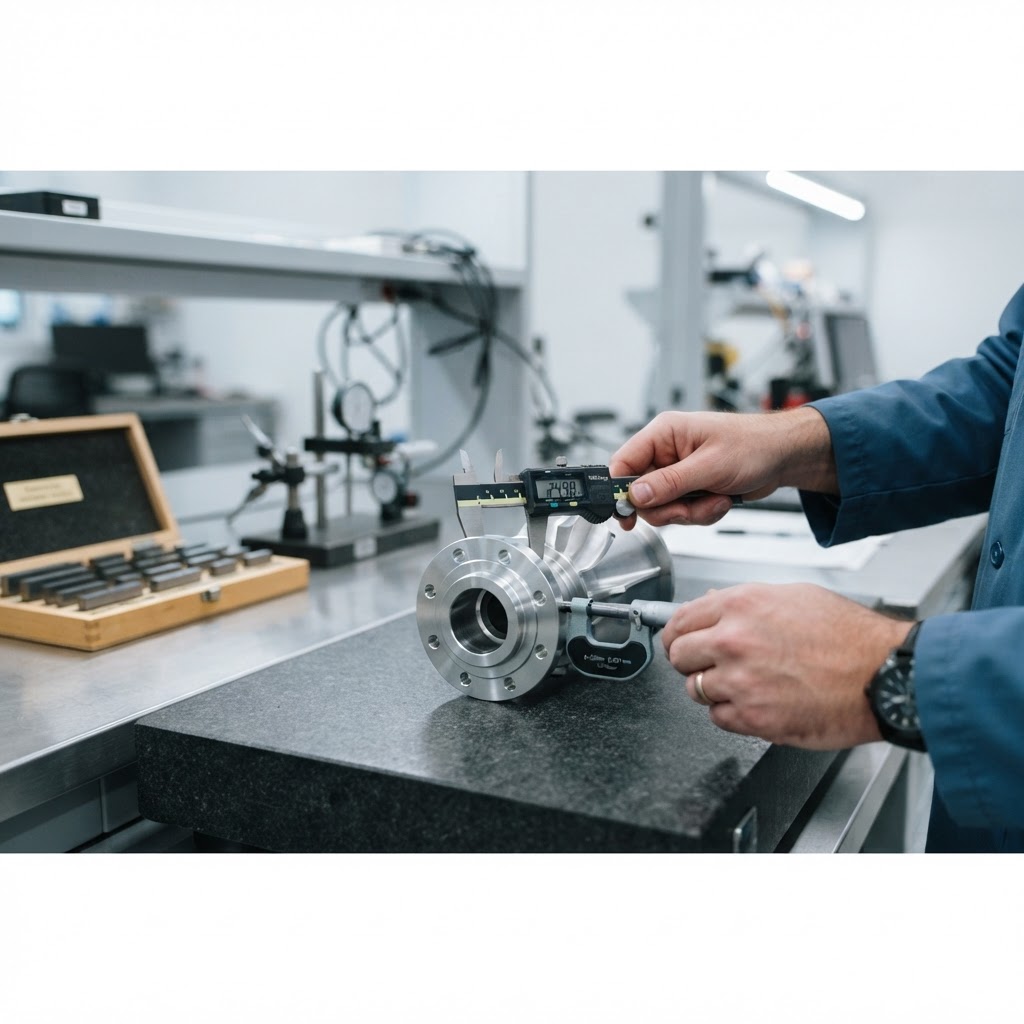
Quality is Not Just a Final Inspection
When asked what quality is, the first answer that often comes to mind is: a functional, defect-free product that meets specifications.
This is a correct, yet only partial, answer.
Quality begins long before the product reaches the inspection station. It is created during the customer requirements definition phase, continues through product and process design, supplier selection, employee training, measurement, and control, and concludes only after the product or service has proven itself in the hands of the customer.
Therefore, quality is not the action of a single department; it is the result of an entire organizational system.
How Have Quality Experts Defined the Concept?
Over the years, quality experts have proposed various definitions, each highlighting a different aspect.
Fitness for Use
Joseph Juran defined quality as "fitness for use." A product may meet specifications, but if it does not suit the actual needs of the user, it is not of high quality.
Conformance to Requirements
Philip Crosby emphasized the need for "conformance to requirements." According to this approach, requirements must be clear, measurable, and based on customer needs.
Loss Prevention
Genichi Taguchi expanded the perspective, arguing that quality is related to the losses that a product causes to society after its delivery. Deviation from the target value can cause loss even when the result remains within specification limits.
Quality in the Customer's Eyes
Armand Feigenbaum emphasized that quality is determined by the customer and that the responsibility for achieving it is shared by all units in the organization—from development and procurement to production, service, and management.
These different definitions teach us that quality includes conformance to requirements, fitness for use, stability, reliability, customer satisfaction, and loss prevention.
The Eight Dimensions of Quality
David Garvin proposed examining quality through eight dimensions:
- Performance
- Features
- Reliability
- Conformance
- Durability
- Serviceability
- Aesthetics
- Perceived quality
This means that two products meeting the same specifications are not necessarily perceived as having the same level of quality. One product may be more reliable, easier to maintain, or have a better reputation.
Quality Must Be Planned
One of the most common mistakes is relying on final inspection to ensure quality.
Inspection can identify a defect that has already occurred, but it does not prevent its formation. Conversely, proper quality planning addresses questions in advance, such as:
- What are the customer's requirements?
- What failures might occur?
- How will we measure product and process characteristics?
- What controls are required?
- How will we know the process is stable and capable?
- How will we handle deviations and prevent their recurrence?
The earlier quality is considered, the more one can reduce rework, scrap, delays, and the costs of failures experienced by the customer.
Quality is an Organizational Responsibility
The quality department can set methods, conduct audits, analyze data, and lead improvement initiatives. However, it cannot produce quality on its own.
- Development is responsible for proper design.
- Procurement is responsible for selecting appropriate suppliers.
- Production is responsible for working according to the defined process.
- Management is responsible for allocating resources and creating a culture of quality.
- Every employee is responsible for the outcome of their work.
When quality becomes part of how an organization makes decisions, it stops being a reactive activity and becomes a competitive advantage.
How to Build Quality in Practice?
An organization seeking to strengthen its quality level must combine several components:
- Clear Requirements Definition – Precise understanding of customer needs and regulatory and standardization requirements.
- Process Design – Establishing steps, responsibilities, controls, metrics, and decision points.
- Risk Management – Identifying potential failures before they occur using tools like FMEA.
- Measurement and Control – Using data, control charts, and process capability indices.
- Root Cause Analysis – Not settling for fixing the result, but identifying and eliminating the cause.
- Continuous Improvement – Extracting lessons and updating work methods according to findings and changes.
In Summary
Quality is not just meeting specifications and is not limited to a final inspection. It is the organization's ability to understand customer needs, plan correctly, control processes, prevent failures, and deliver a stable and reliable result over time.
An organization that manages quality systematically does not just reduce defects; it improves customer satisfaction, reduces costs, strengthens its reputation, and creates a foundation for continuous growth.
How Can ALD Help?
ALD Advanced Solutions assists organizations in establishing, implementing, and improving quality systems, risk management, audits, process improvement, and professional training in the fields of quality and reliability.
Insight from Dr. Zigmond Bluvband
“Quality is not created in the final inspection. It is created in the decisions made at the beginning of the project.”
This insight is based on professional knowledge, practical experience and study materials of ALD Advanced Solutions, and inspired by the books and publications of Dr. Zigmond Bluvband.