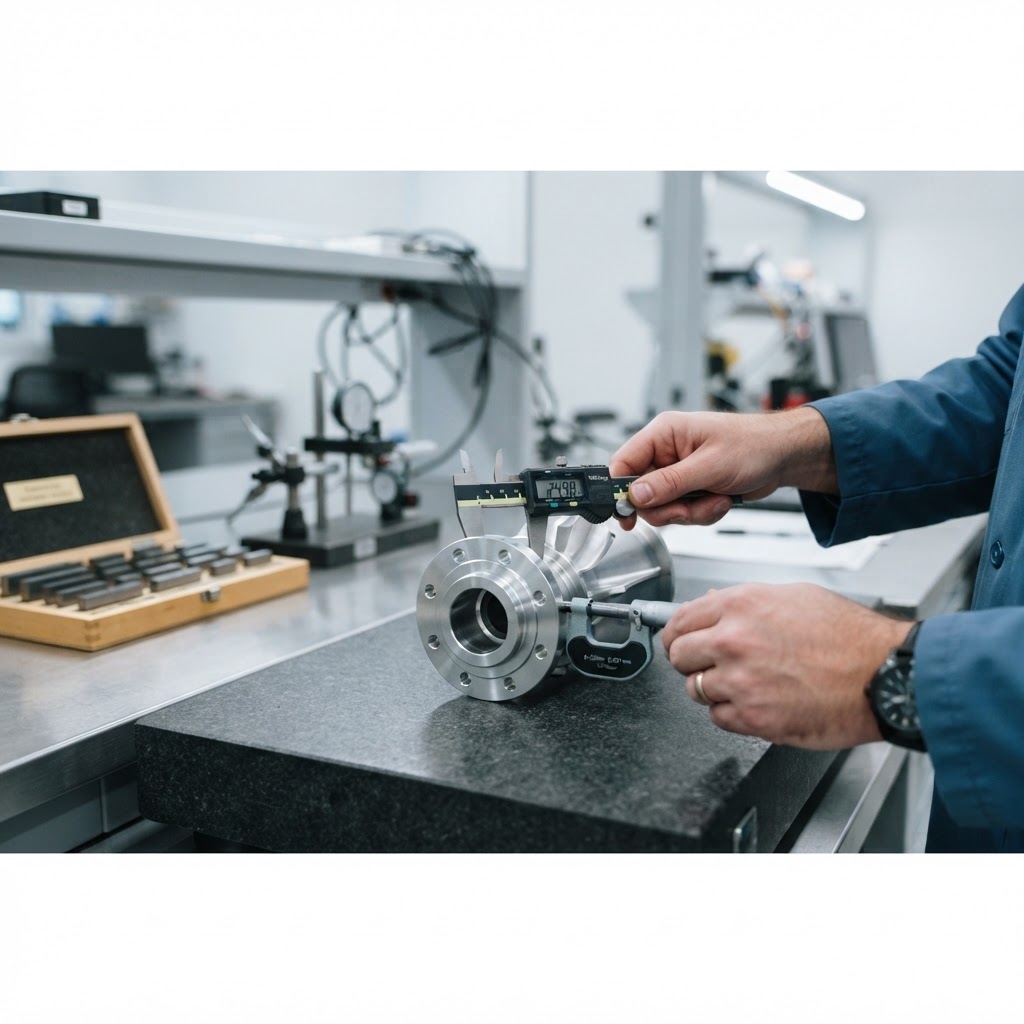

Proper Measurement Enables Real Improvement
How to turn data into quality decisions
In this insight you will learn
- Why what is not measured is not managed
- How to choose relevant quality metrics
- What is the difference between process metrics and outcome metrics
- How data leads to fact-based improvement
You cannot improve what you do not measure – proper measurement is the basis for all real and sustained quality improvement.
Introduction
One of the most well-known statements in management is: "You cannot improve what you do not measure."
Many organizations invest significant time and resources in process improvement, but often they do not measure the right things. The result is decision-making based on gut feeling instead of data.
An advanced quality system relies on consistent, reliable, and relevant measurement. Only when the organization knows what is actually happening can it identify trends, understand deviations, and lead to real improvement.
Why is Measurement So Important?
Measurement enables:
- Identifying trends over time.
- Comparing performance between departments.
- Evaluating compliance with goals.
- Early detection of deviations.
- Making data-driven decisions.
When data is collected consistently and analyzed correctly, it becomes a significant management tool.
Which Metrics Should be Measured?
Every organization has metrics relevant to its activities, but there are several common metrics:
- First Pass Yield (FPY)
- Defect Rate
- Customer Complaints
- Lead Times
- MTBF
- Mean Time to Repair (MTTR)
- Cost of Quality
- Compliance with Schedules
- Supplier Performance
The most important thing is to choose metrics that reflect the organization’s goals and not just what is easy to measure.
Metrics That Do Not Generate Value
Not every KPI is a good KPI. For example, measuring the number of tests performed does not necessarily indicate the quality of the process.
In contrast, measuring the rate of deviations, the number of corrective actions, or trends in customer satisfaction can provide far more valuable information.
The goal is not to produce more reports, but to make better decisions.
Example from Industry
In a machining factory, only the number of products rejected at final inspection was measured for years. After a reevaluation, it was decided to measure also:
- Production cycle time.
- Number of interim repairs.
- Performance of each machine.
- Recurring failures.
Within a few months, it became clear that most rejections were due to one machine that needed recalibration. Without the additional metrics, the problem would have continued to exist.
How to Build an Effective Measurement System?
A good system should be:
- Simple to understand.
- Based on reliable data.
- Consistent over time.
- Connected to the organization’s goals.
- Accompanied by analysis and improvement actions.
The Most Common Mistake
Many organizations collect vast amounts of data but do not utilize it. The data is stored in reports, information systems, or presentations, but it does not lead to process change.
Measurement without action does not create value.
Conclusion
Data is a tool, not a goal. When the right things are measured, analyzed, and improvement actions are applied, it is possible to turn information into quality decisions and build a culture of continuous improvement.
Want to Improve Your Measurement System?
At ALD Advanced Solutions, we assist organizations in defining quality metrics, building management dashboards, and implementing advanced measurement methods within quality, reliability, and RAMS projects.
Insight from Dr. Zigmond Bluvband
“Measurement is not just numbers – it is the culture of seeking professional truth.”
This insight is based on professional knowledge, practical experience and study materials of ALD Advanced Solutions, and inspired by the books and publications of Dr. Zigmond Bluvband.